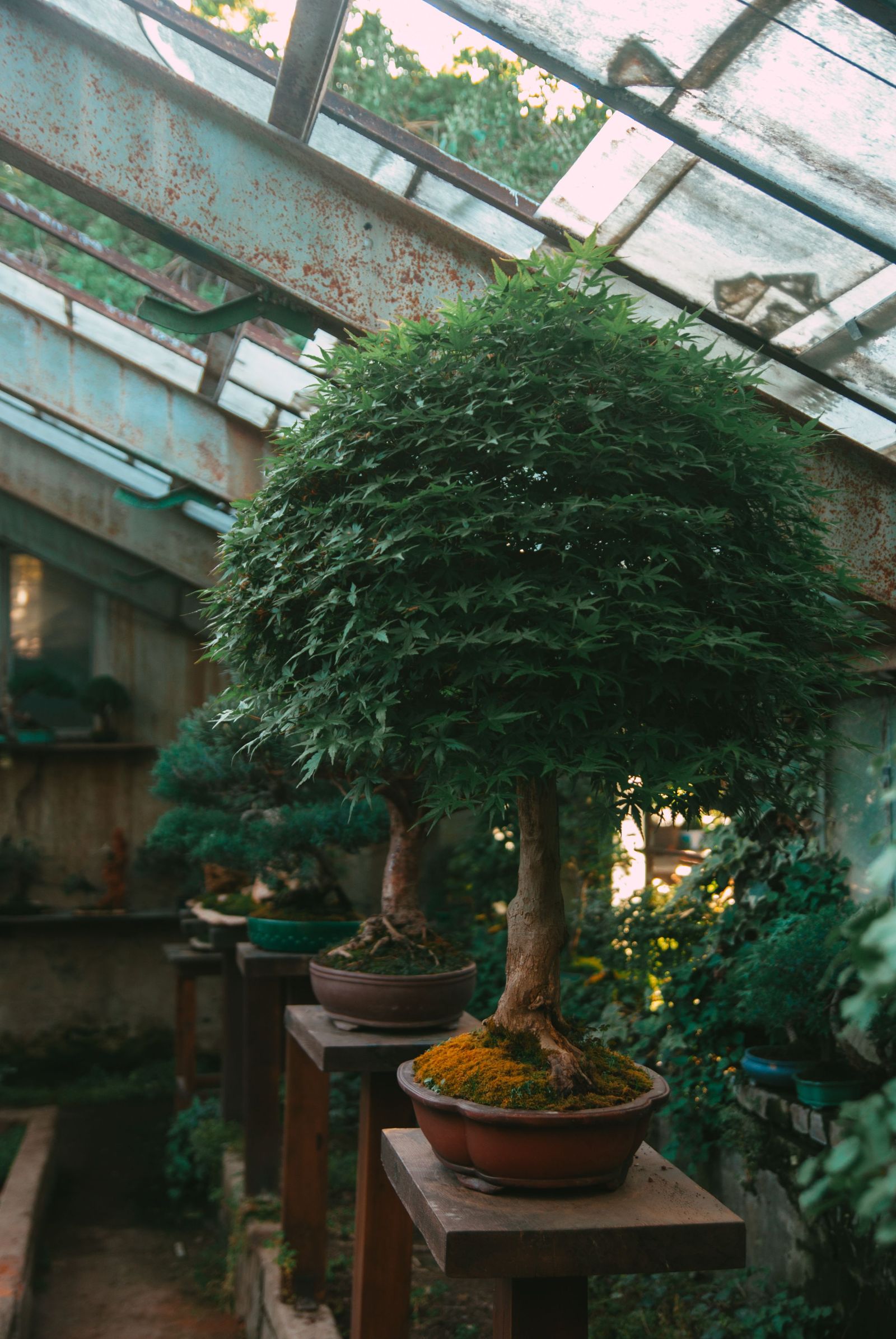
Chinese Elm sits in an unusual middle category that most species guides gloss over: it's genuinely flexible about indoor or outdoor living, in a way junipers and ficus aren't. That flexibility is a real advantage, but it also creates a specific kind of confusion for beginners who assume "flexible" means "no wrong choices" — it doesn't, it just means both choices come with different rules.
Why it's different from a strict indoor or outdoor species
Chinese Elm is semi-evergreen and subtropical-leaning, meaning it tolerates a wider temperature range than a true temperate species like juniper, but doesn't strictly require the tropical warmth a Ficus does either. Kept outdoors in most of the US, it behaves close to deciduous, dropping leaves in cooler weather and going through a mild dormancy. Kept indoors in stable warmth, it can hold onto its leaves through winter and grow closer to year-round. Neither is wrong — but once you pick one, the care approach for that choice needs to be followed consistently. See indoor or outdoor bonsai for the general reasoning, which applies here with more flexibility than usual.
Light
Outdoors, it wants strong light similar to other outdoor bonsai species, with some tolerance for partial shade in hot climates. Indoors, it needs the same bright-window treatment as a true tropical species — a dim indoor spot doesn't work just because the species is generally forgiving. See the light requirements guide.
Watering
Standard finger-test approach from the watering guide. Chinese Elm is reasonably tolerant of minor watering inconsistency, which adds to its beginner-friendly reputation, but the usual overwatering risks still apply — tolerance isn't immunity.
Pruning: this is where it genuinely shines
Chinese Elm backbuds reliably even from older wood, and its small, fine leaves naturally reduce in size with regular pruning — both traits that make it unusually forgiving to practice technique on compared to species that punish a mistimed or overly hard cut. This is a legitimate reason it's recommended as a first "practice" tree for learning pruning and wiring, not just marketing language. See the pruning guide and wiring guide.
Bark and trunk character
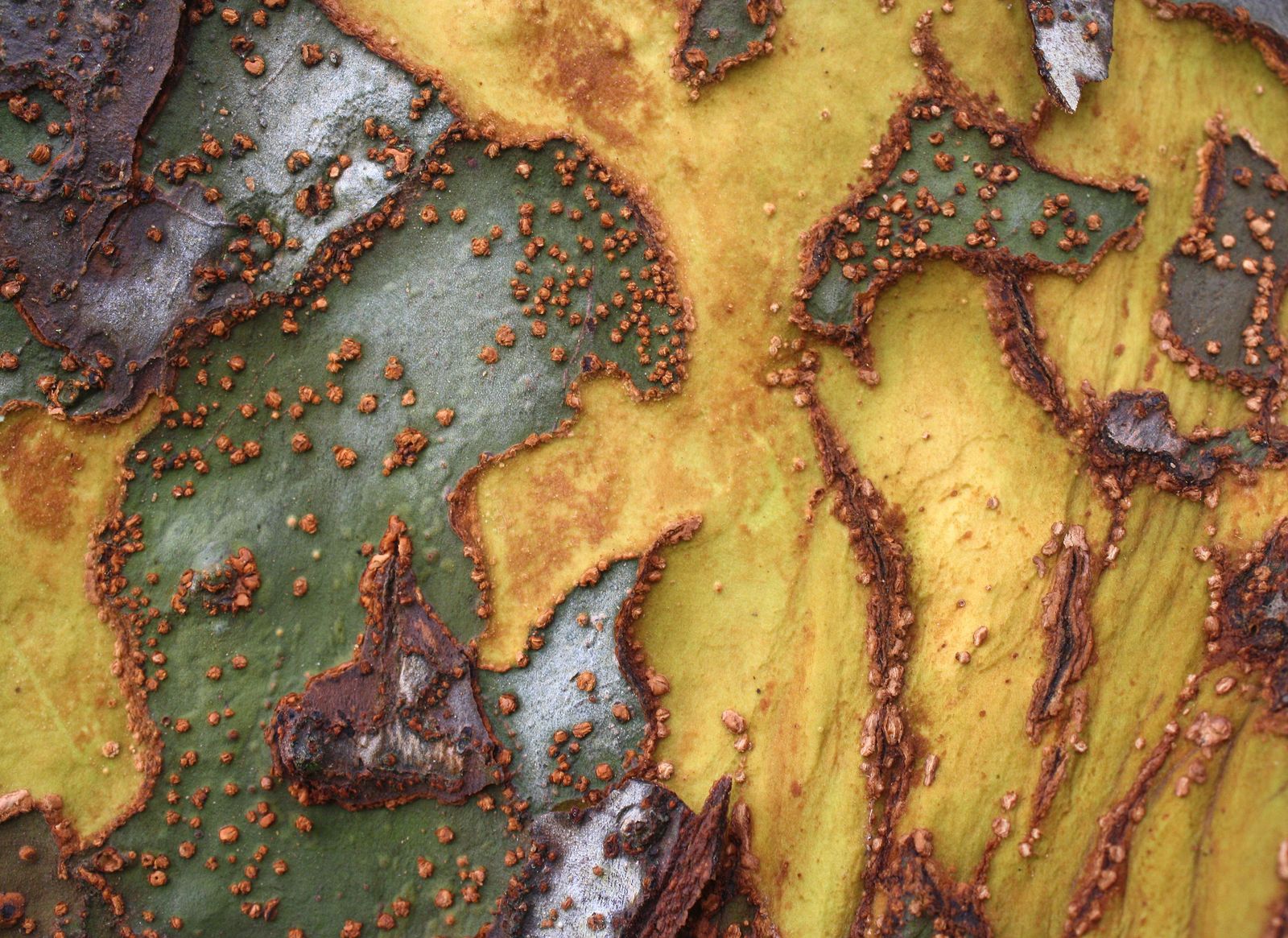
Mature Chinese Elm develops attractive flaky, textured bark relatively quickly compared to many species, which is part of why it's popular for beginners who want visible "aged" character without decades of development — a genuine species-specific advantage worth knowing rather than assuming all beginner trees look equally young.
Common issue: interpreting leaf drop correctly
Because Chinese Elm can behave semi-deciduously even indoors under some conditions, leaf drop is more likely to be genuinely normal for this species than for a strict tropical like Ficus — but it's still worth ruling out watering and light issues rather than assuming every drop is seasonal. The leaf drop guide covers how to tell the difference.
Repotting frequency
Chinese Elm is a vigorous grower, and its roots fill a pot faster than slower species like juniper — expect to repot roughly every 1-2 years for a younger, actively developing tree, checking each spring for circling roots or a noticeably compacted root ball as the trigger rather than repotting on a fixed calendar regardless of actual need.
Fertilizing notes specific to this species
Its fast growth rate means it responds well to, and often benefits from, slightly more frequent feeding during the active growing season than a slower species would need — see the general fertilizing guide for the baseline approach, with the note that Chinese Elm tends toward the more-frequent end of the recommended range rather than the less-frequent end.
A reasonable first or second tree either way
Whether it ends up your very first tree or the one you add once you've already got some routine down with something else, Chinese Elm's combination of tolerance and responsiveness to training makes it one of the few species genuinely well-suited to both roles at once — a real "grows with you" tree rather than something to graduate away from.
NC State Extension's Plant Toolbox entry on Ulmus parvifolia notes its adaptability across a range of soil and light conditions and its tolerance of urban and container growing conditions — the same traits that make it flexible at bonsai scale (NC State Extension, "Ulmus parvifolia (Chinese Elm)").