Sudden leaf drop is one of the most alarming things a new bonsai owner sees, mostly because it happens fast and looks dramatic — a tree that had a full canopy a week ago can lose a third of its leaves in a few days. In a lot of cases, especially soon after bringing a tree home, this is not the crisis it looks like.
The most common trigger: environmental shock
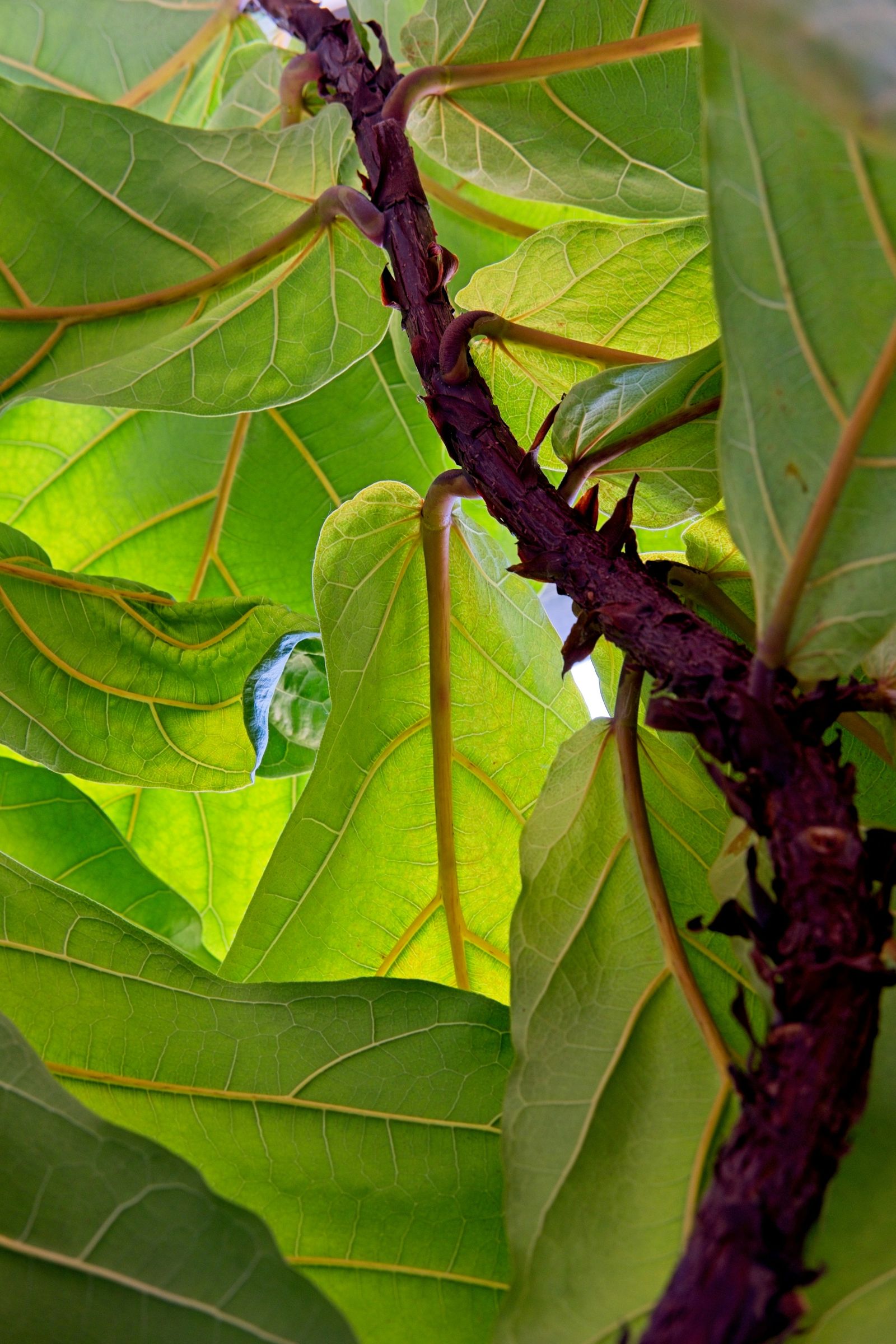
A tree that just moved from a nursery greenhouse (controlled humidity, consistent light, stable temperature) into a house or apartment is experiencing a genuinely different environment, sometimes overnight. Ficus in particular is known for this — it's common enough that it has an informal name among growers, "transplant shock leaf drop." The tree drops leaves it can't support in the new conditions and pushes out new growth better suited to the new environment over the following weeks. See the Ficus care guide for species-specific detail on this pattern.
Normal seasonal leaf drop
For temperate deciduous species (most maples, some elms), leaf drop in fall is not a symptom at all — it's the expected process heading into dormancy. This is easy to confuse with a problem if you're new to keeping a temperate species and haven't been through a full seasonal cycle with it yet.
When leaf drop is not normal adjustment
A few patterns suggest something beyond ordinary shock or seasonal drop:
- Leaf drop continuing steadily for several weeks with no sign of new growth replacing it
- Leaves dropping while still green and healthy-looking, rather than yellowing or browning first
- Drop happening alongside other symptoms — soft or mushy stems, a sour soil smell, or wilting that doesn't recover after watering
In these cases, work through the watering check in overwatering vs. underwatering and, if that doesn't explain it, the root rot guide next.
How long "normal" adjustment actually takes
For transplant shock specifically, expect the drop to slow and new growth to begin appearing within 2-4 weeks under stable care — same light spot, same watering approach, no repotting or heavy pruning during that window. If a month passes with continued decline and no new growth at all, treat it as a genuine problem rather than ongoing adjustment and move to the diagnostic steps above.
What to do while you wait
Keep the tree's location, watering, and light completely stable rather than experimenting during the adjustment window — moving it to "try a better spot" partway through actually resets the adjustment clock. Confirm the finger-test watering method from the watering guide is being followed rather than watering more out of worry, which is a very common, understandable, and counterproductive reaction to watching leaves fall.
Does this happen with species other than Ficus?
Yes, though Ficus gets the reputation because it's both common and unusually visible about it. Any tree moved to a meaningfully different environment — a new home, a different room, a change in season — can shed some leaves while adjusting, temperate species included, though temperate species dropping leaves in fall is more often genuine seasonal dormancy than shock. The general rule holds across species: sudden drop right after a change in environment, with otherwise stable care, deserves patience before intervention; drop that starts without any recent change, or continues well past a reasonable adjustment window, deserves the fuller diagnostic process.
Telling shock apart from a repotting reaction
Leaf drop shortly after repotting is a related but distinct pattern — repotting disturbs roots directly, so some leaf loss afterward is a normal, expected stress response rather than a mistake, similar in spirit to environmental shock but with a physical cause instead of an environmental one. The same patience-first approach applies: stable conditions, no fertilizing, and watching for new growth as the real signal of recovery rather than judging by the leaves that were already lost.
University of Maine Cooperative Extension's guidance on indoor ficus care specifically notes that leaf drop following a change in environment or light is a normal, temporary adjustment response rather than a sign of a care mistake, provided the plant otherwise receives consistent conditions afterward (University of Maine Cooperative Extension, "How Do I Care for a Ficus Inside My Home?").