Root rot is unusual among bonsai problems because it happens entirely out of sight until it's already serious. By the time you see wilting, yellowing, or a musty smell from the pot, the roots have often been compromised for a while. Knowing what to check for, and when, is more useful than waiting for above-soil symptoms.
What's actually happening
Roots need oxygen as much as they need water — they respire, and that requires air pockets in the soil. When soil stays waterlogged (usually from poor drainage rather than watering frequency alone; see the soil guide), those air pockets fill with water instead, roots suffocate and begin to die, and the dead tissue becomes an entry point for rot-causing fungi and bacteria that are present in soil constantly but normally not a problem for healthy roots.
Early signs, before it's obvious above the soil
- Soil that stays wet and heavy for several days after watering with no improvement in drainage speed
- A slightly sour or musty smell when you get close to the soil surface
- Slowed growth without an obvious cause, even with correct light and a reasonable watering routine
Later signs, once it's progressed
- Wilting that doesn't improve even after watering (see overwatering vs. underwatering for how this differs from simple thirst)
- Widespread yellowing or browning across the canopy, not isolated to old leaves
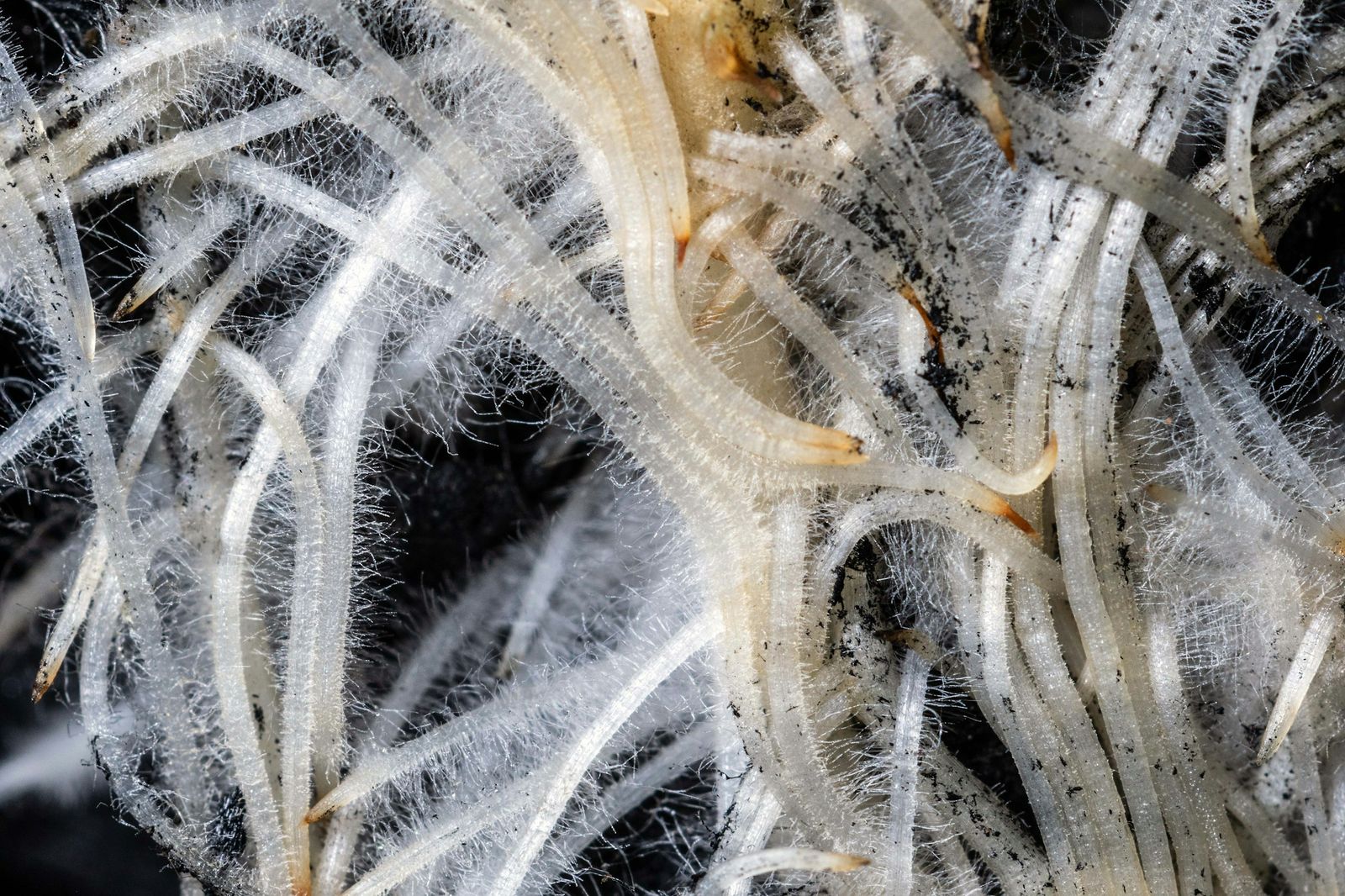
- On inspection, roots that are brown or black, mushy, and slough their outer layer off when gently squeezed — healthy roots are firm and typically white or light tan
How to actually check
If you suspect root rot, the only way to confirm it is to gently remove the tree from its pot and look. This sounds drastic for a beginner but is far less risky than continuing to guess — a tree already struggling from root rot isn't going to be meaningfully harmed by a careful inspection, and catching it early meaningfully improves the odds of recovery.
If you confirm it: the recovery steps
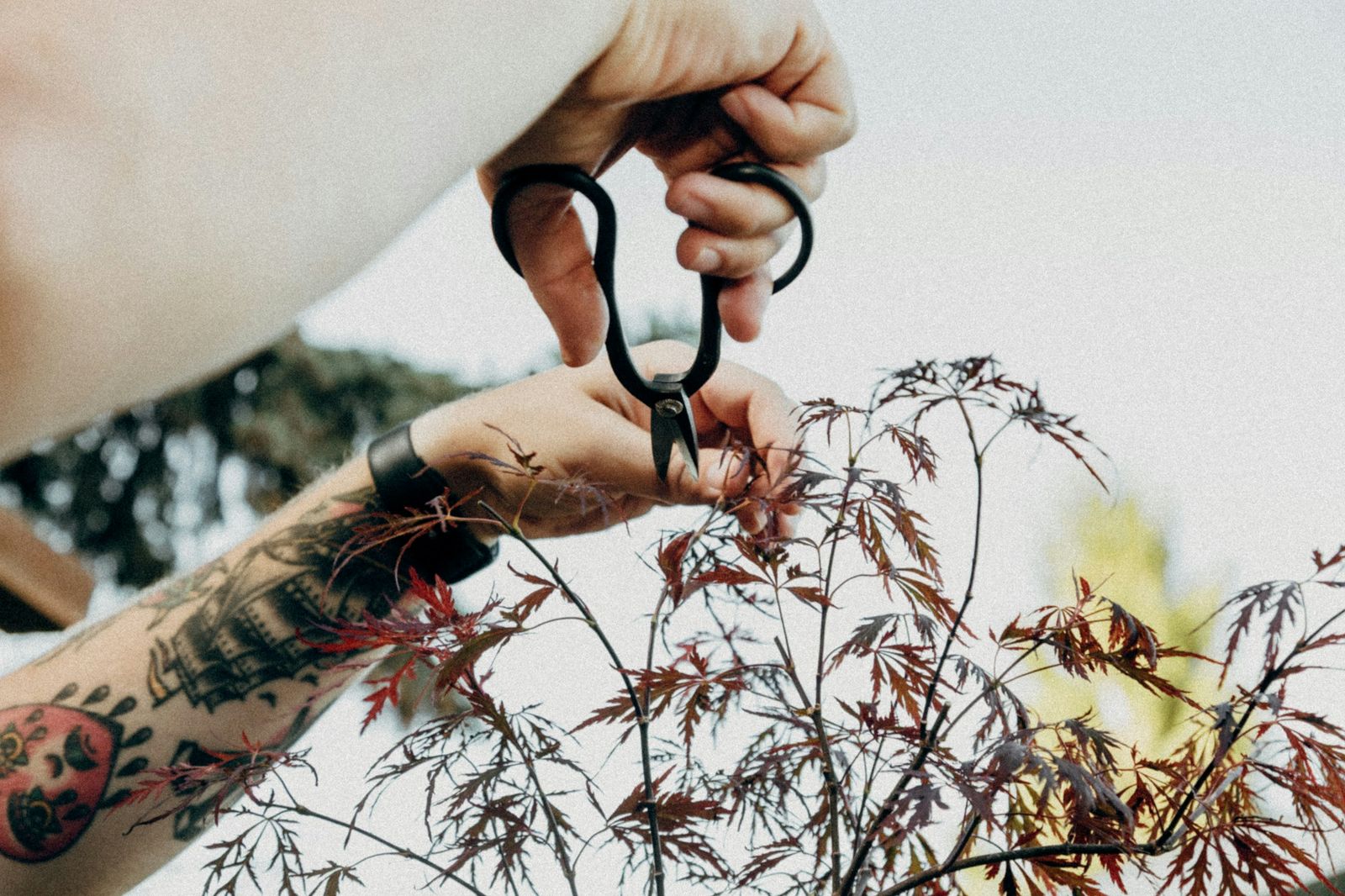
- Using clean, sharp scissors, trim away roots that are clearly dark, mushy, or hollow-feeling, cutting back to firm, healthy tissue.
- Rinse the remaining root ball gently to remove old, potentially contaminated soil.
- Repot into fresh, well-draining bonsai soil (not the same soil that caused the problem) in a clean pot.
- Water lightly at first, then return to the finger-test method once the tree shows signs of stabilizing.
- Hold off on fertilizing until you see clear new growth — feeding a recovering root system doesn't speed healing and can add stress.
Realistic expectations
A tree caught in the early stages, with most roots still healthy, has a good chance of recovering fully over a season. A tree where the majority of the root mass is already lost is a harder case — recovery is still sometimes possible, but slower and less certain. Either way, the corrective steps are the same; only the odds differ.
Preventing a repeat
Root rot is almost always a drainage problem wearing a watering-habit disguise, which means the prevention that actually sticks is fixing the soil and pot situation, not just being more careful about when you water. Confirm the pot has genuine, unobstructed drainage holes (not just decorative slits that don't actually pass water), and revisit the soil guide if you haven't already — a correctly structured mix does more to prevent recurrence than watering discipline alone ever will.
Sterilizing tools between root work
If you're trimming roots on a tree recovering from rot, wipe cutting tools with isopropyl alcohol before starting and between trees if you're working on more than one — rot-causing fungi and bacteria can transfer on a blade, and a tree already dealing with root damage doesn't need an additional infection risk introduced during the very procedure meant to help it.
How long recovery actually takes to become visible
Don't expect obvious improvement within days — root regeneration is a slow process, and the first sign of real recovery is usually new growth appearing over several weeks, not the existing canopy suddenly perking up. A tree that's stabilized (not getting visibly worse) in the first couple of weeks after treatment is a reasonable sign the intervention worked, even before new growth confirms it.
The University of Maryland Extension describes root rot in indoor plants as primarily a drainage and oxygen problem rather than a simple overwatering problem, which is why fixing the soil and pot situation matters as much as adjusting watering habits going forward (University of Maryland Extension, "Root Rots of Indoor Plants").