Most first bonsai trees don't die from one dramatic error — they die from one of these seven ordinary, predictable mistakes, usually within the first few months.
1. Overwatering
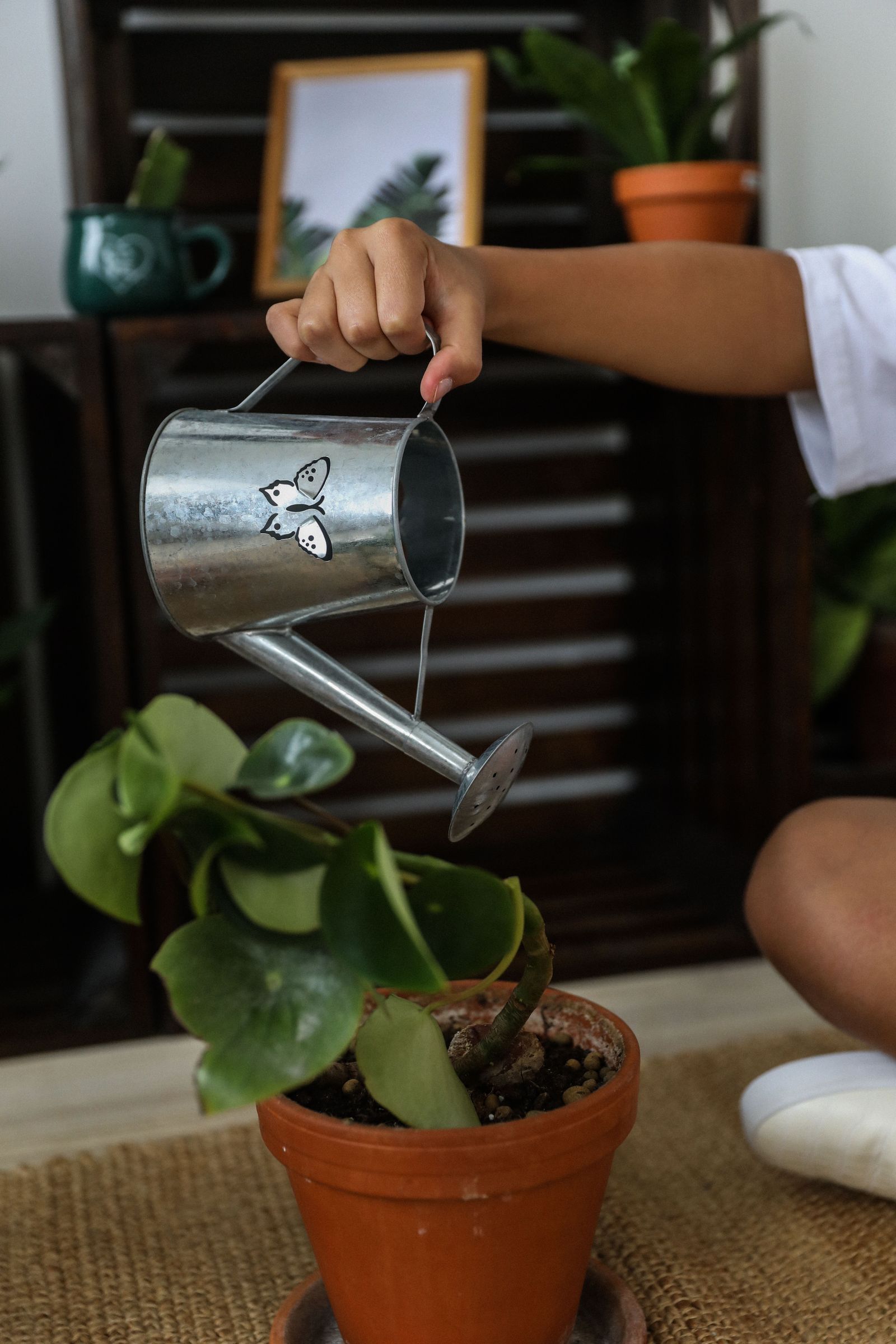
The single most common cause of death. It comes from care, not neglect — watering out of anxiety rather than checking the soil first. Fix: check soil moisture before every watering using the finger test in our full watering guide, never water on a fixed schedule.
2. Using regular potting or garden soil
Standard soil holds water far longer than bonsai roots can tolerate in a shallow pot, which suffocates roots and invites rot. Fix: use a bonsai-specific, fast-draining soil mix (usually a blend of akadama, pumice, and lava rock, or a pre-mixed beginner blend from a bonsai nursery) — not topsoil or generic potting mix.
3. A pot with no drainage hole
It looks fine on a shelf, but any excess water has nowhere to go. Fix: only use pots with at least one drainage hole — if you love a pot without one, use it as a decorative outer cover with a properly-drained pot inside it, not as the actual growing container.
4. Not enough light
A bonsai kept purely as a tabletop decoration in a dim corner won't die immediately — it'll weaken gradually over months, which makes the cause hard to trace back. Fix: 4-6 hours of bright, indirect light daily; a modest grow light is a reliable fix if your space doesn't get that naturally.
5. Heavy pruning or wiring in the first few months
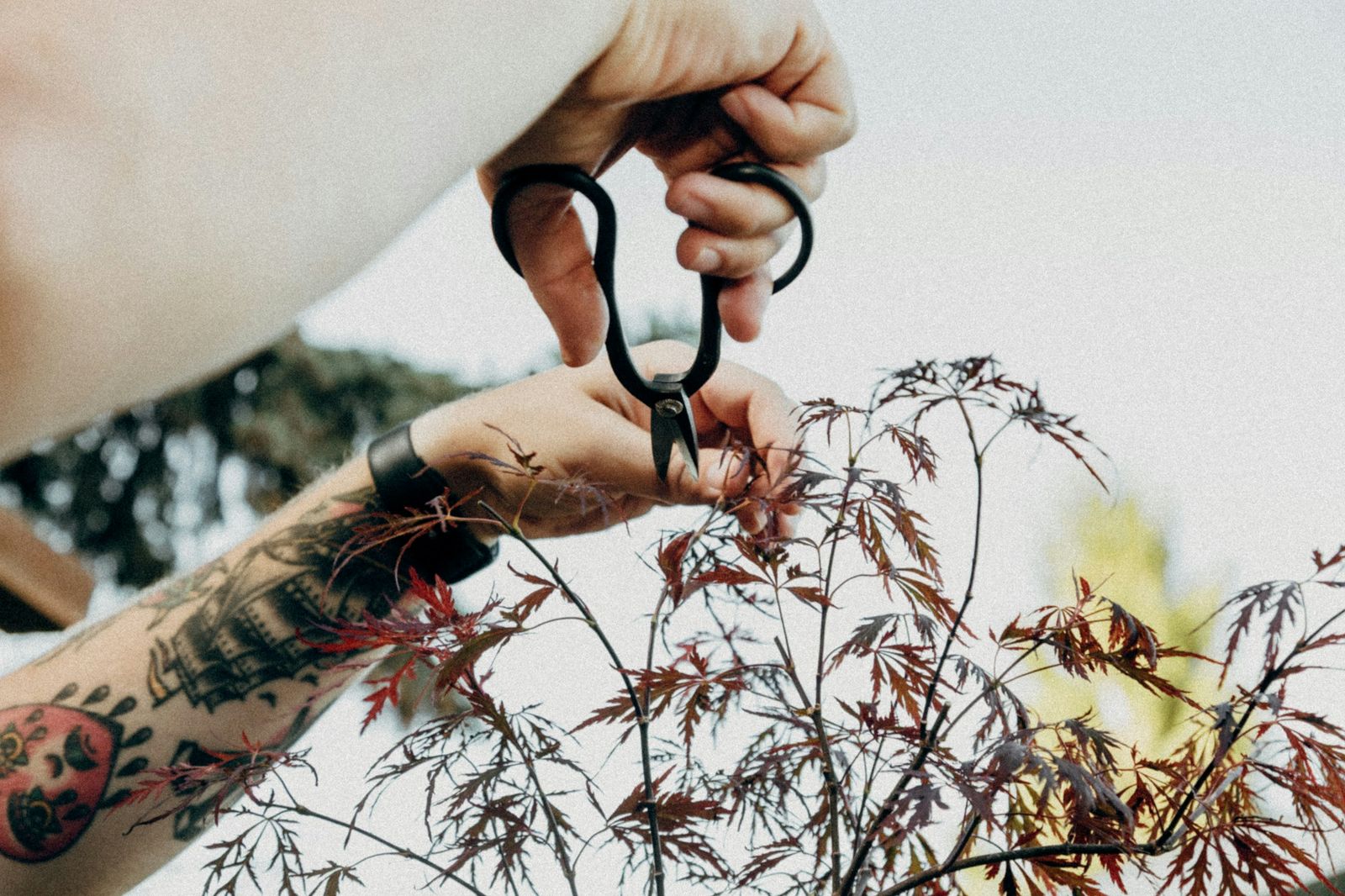
Aggressive styling right after bringing a tree home compounds the stress of a new environment. Fix: let the tree acclimate for 2-3 months with only basic maintenance care before any real shaping work.
6. Over-fertilizing
More fertilizer doesn't mean faster growth — past a certain point it burns roots instead. Fix: use less than the package suggests, at regular intervals, rather than a strong dose infrequently. Skip fertilizing a stressed or recently-repotted tree entirely until it's recovered.
7. Starting with a demanding species
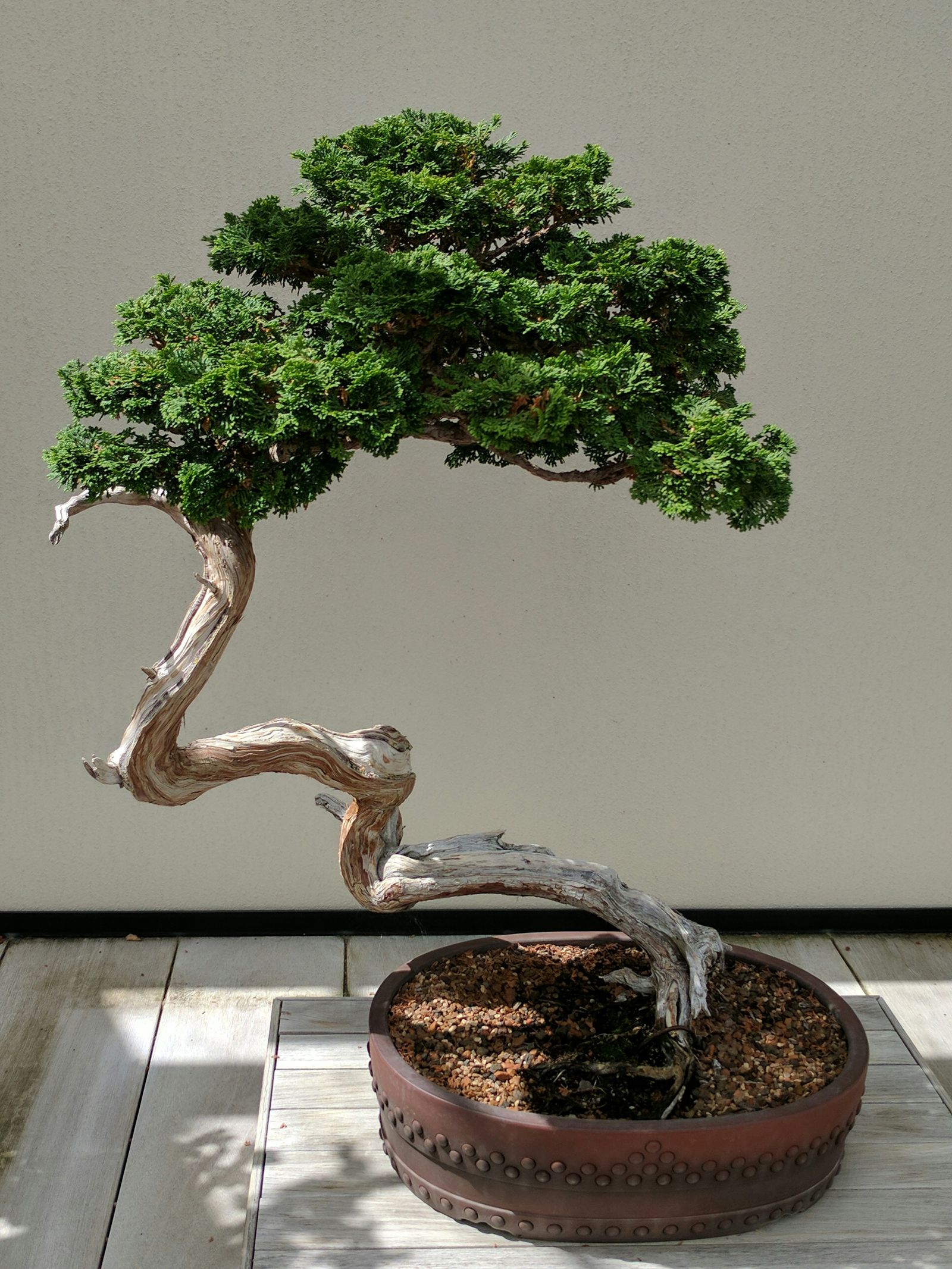
Junipers and pines are gorgeous in photos but need precise outdoor dormancy conditions and punish overwatering quickly — a rough start for someone still learning the finger-test rhythm. Fix: start with a forgiving species (Ficus, Jade, or Chinese Elm) and move to the harder ones once you've kept a first tree alive for a full year.