Most people quit bonsai in the first three months — not because it's hard, but because they focus on the wrong things. This guide skips the encyclopedic species lists and style taxonomies you'll find everywhere else, and covers exactly what determines whether your first tree survives.
Bonsai is a technique, not a species
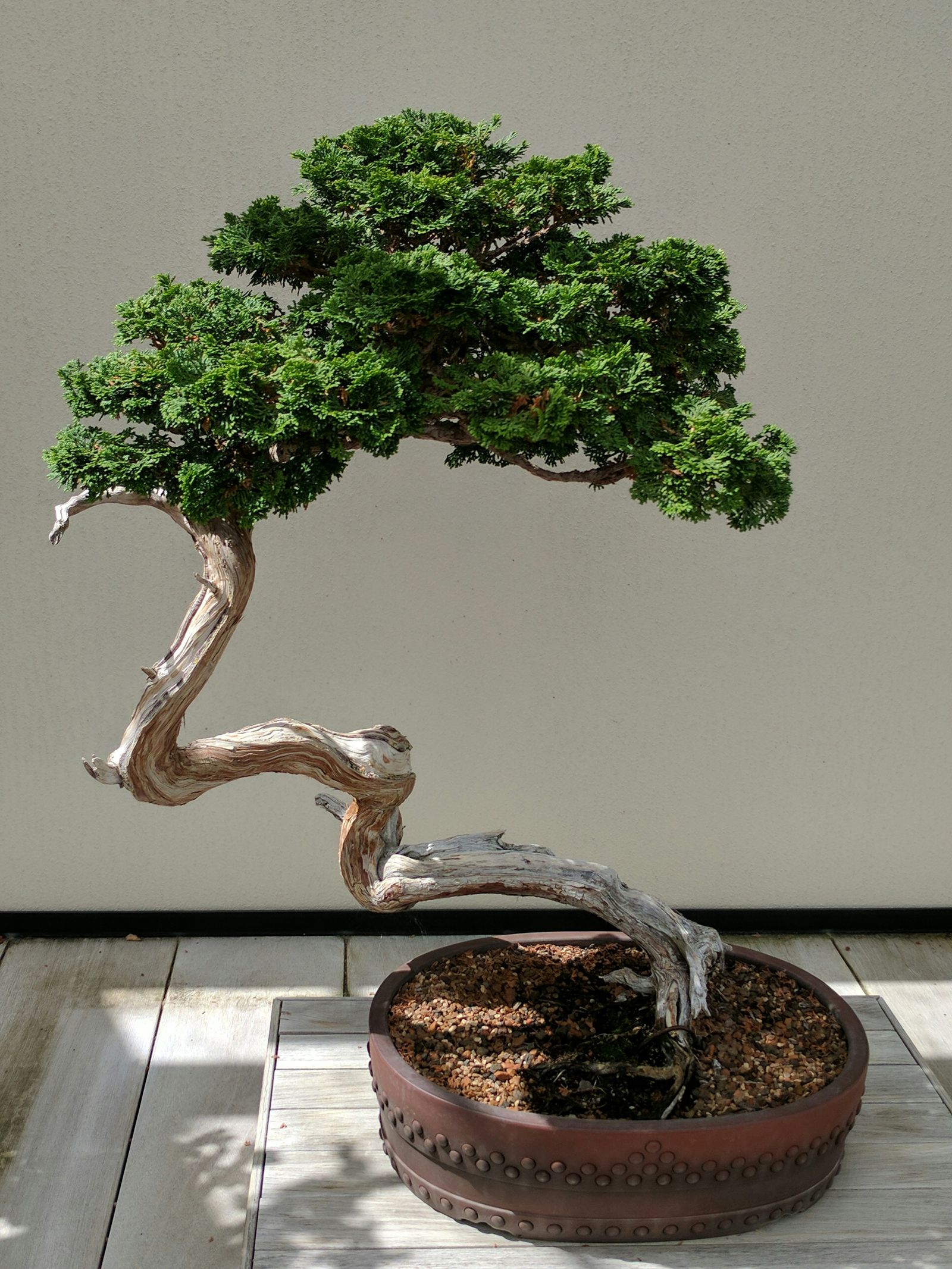
Almost any woody plant can become a bonsai — it's a growing method (container, pruning, shaping), not a genus. That matters practically: if a nursery tells you a plant "can't" be a bonsai, they usually mean it's a harder starting point, not that it's impossible.
Picking your first tree: optimize for forgiveness, not looks
Your first tree's job is to teach you the rhythm of care without punishing small mistakes. Three species do this well:
- Ficus — tolerates inconsistent watering and low indoor light better than almost anything else
- Jade (Crassula ovata) — succulent-like, stores water, very hard to underwater
- Chinese Elm — handles both indoor and outdoor conditions, recovers well from pruning mistakes
Junipers and pines look classic in photos, but they're outdoor-only, need very specific dormancy conditions, and punish overwatering fast. Save them for tree #2 or #3.
The 3 things that actually determine survival
Everything else is optimization. These three are the difference between a living tree and a dead one.
1. Water by checking the soil, not the calendar
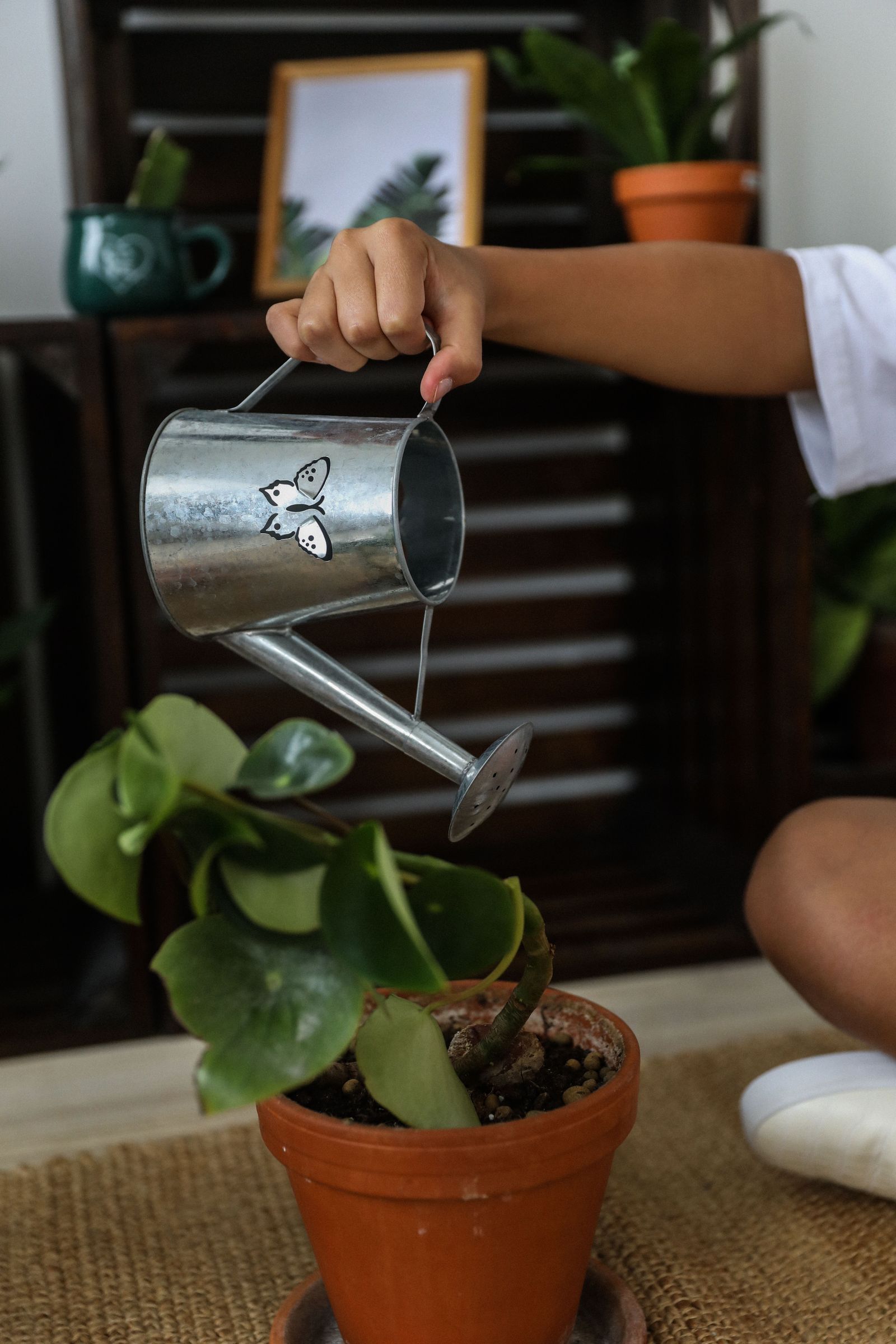
"Water every 3 days" is the single most common piece of bad advice in bonsai. Soil dry-down speed depends on species, pot size, humidity, and season — a fixed schedule will eventually overwater or underwater you. The full method is in our watering guide.
2. Light: 4-6 hours of bright, indirect light minimum
A bonsai kept as a dark-corner decoration slowly starves — it just takes a few months to show. If you don't have a bright window, a $20 grow light solves this more reliably than moving the tree around.
3. Do nothing dramatic for the first few months
New owners often want to prune and wire immediately to "make it look like a bonsai." Give the tree 2-3 months to adjust to its new environment first. Heavy styling on a stressed tree is how healthy trees die.
What you actually need to start (and what you don't)
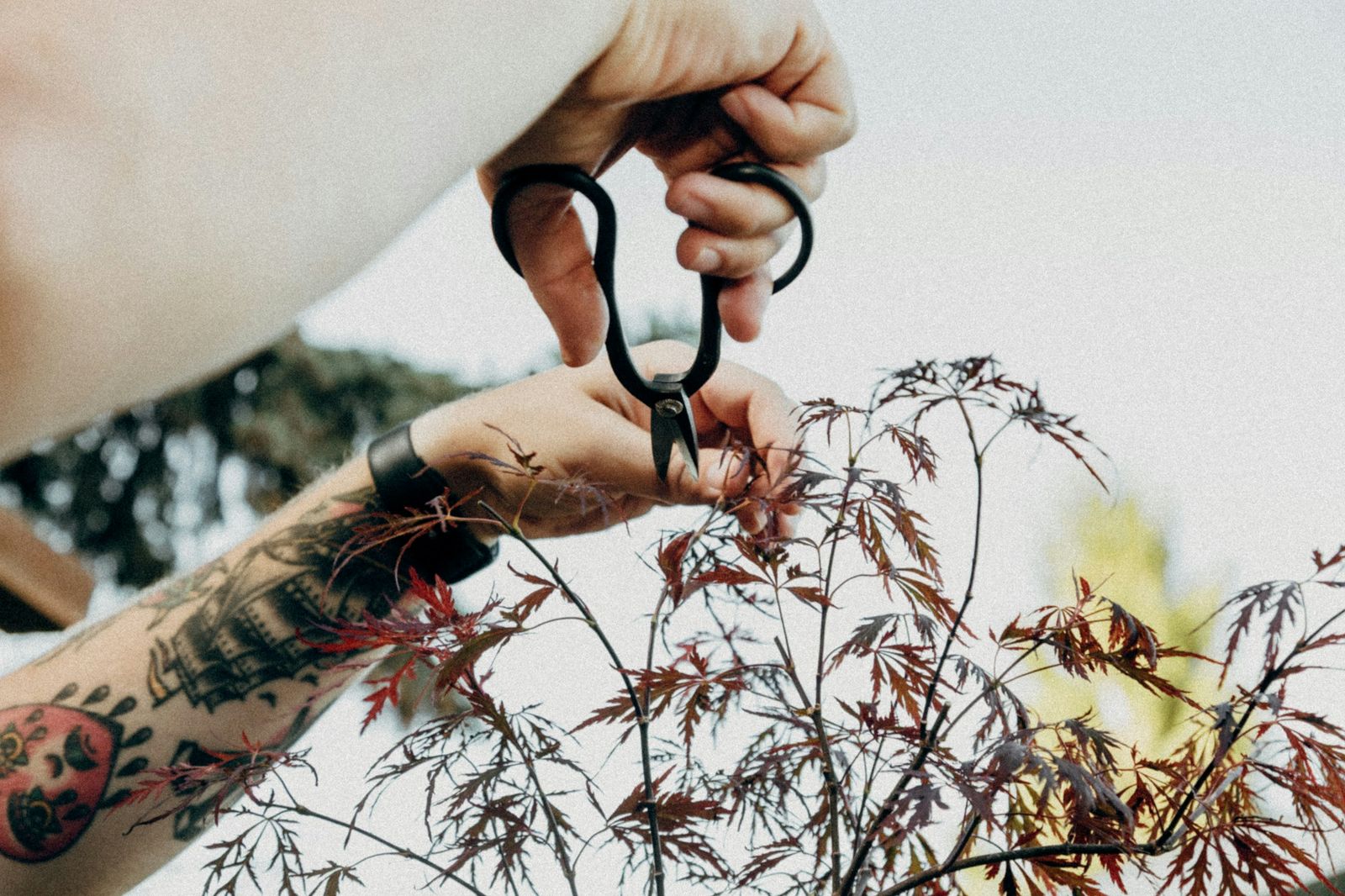
Needed: a tree, a pot with drainage holes, bonsai-specific soil (regular potting soil retains too much water), a narrow-spout watering can, and basic pruning shears. Not needed yet: wire, a moisture meter, a humidity tray, or a full tool roll — those matter later, not in month one.
Where to go next
Once you've got a tree and the basics above locked in, these two guides cover the parts that actually cause tree deaths: