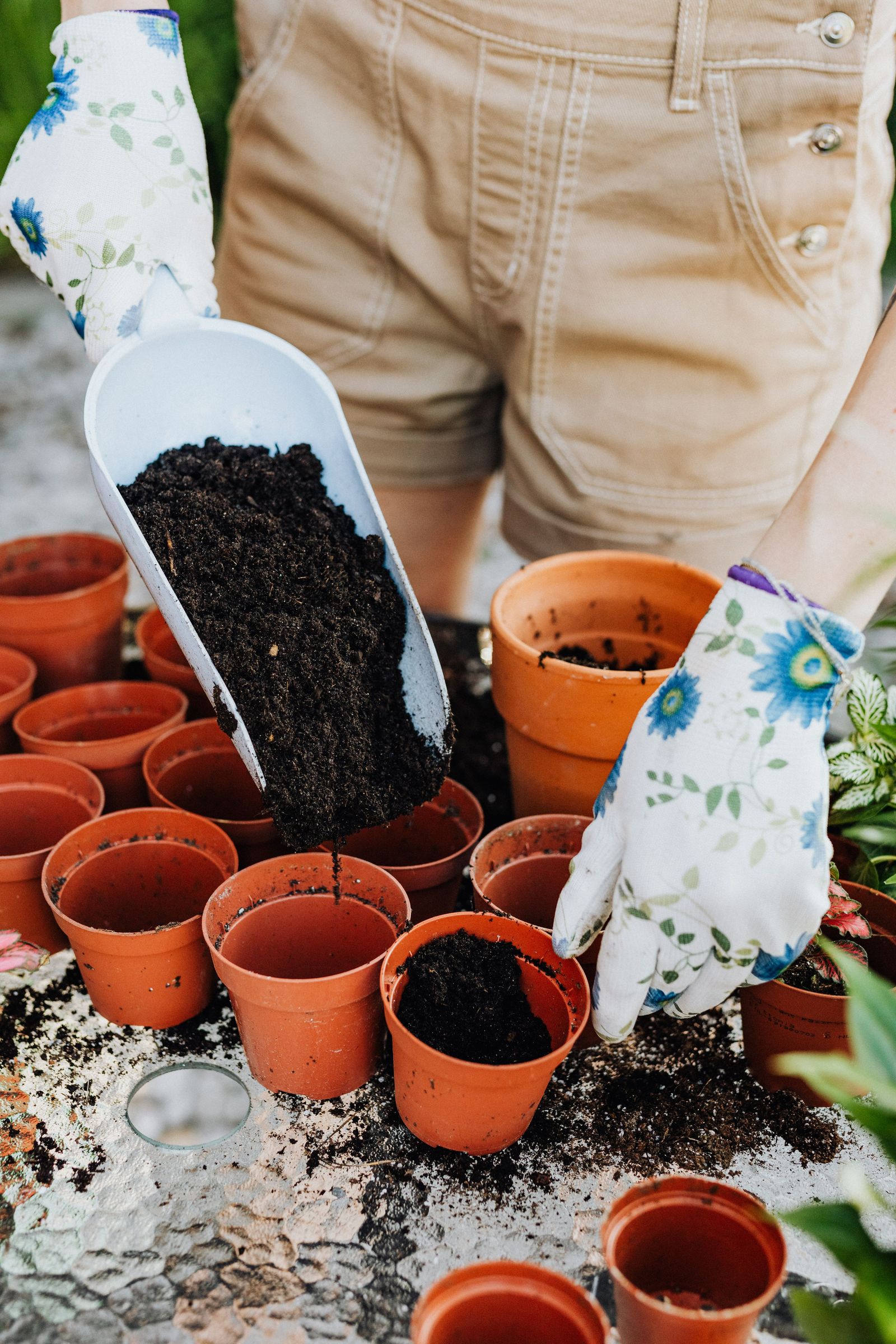
Here's the part that trips up almost every beginner coming from regular houseplants: a bonsai pot is shallow, often just a few inches deep, while a normal nursery or houseplant pot is deep. That difference alone changes what "good soil" means.
Why depth changes everything
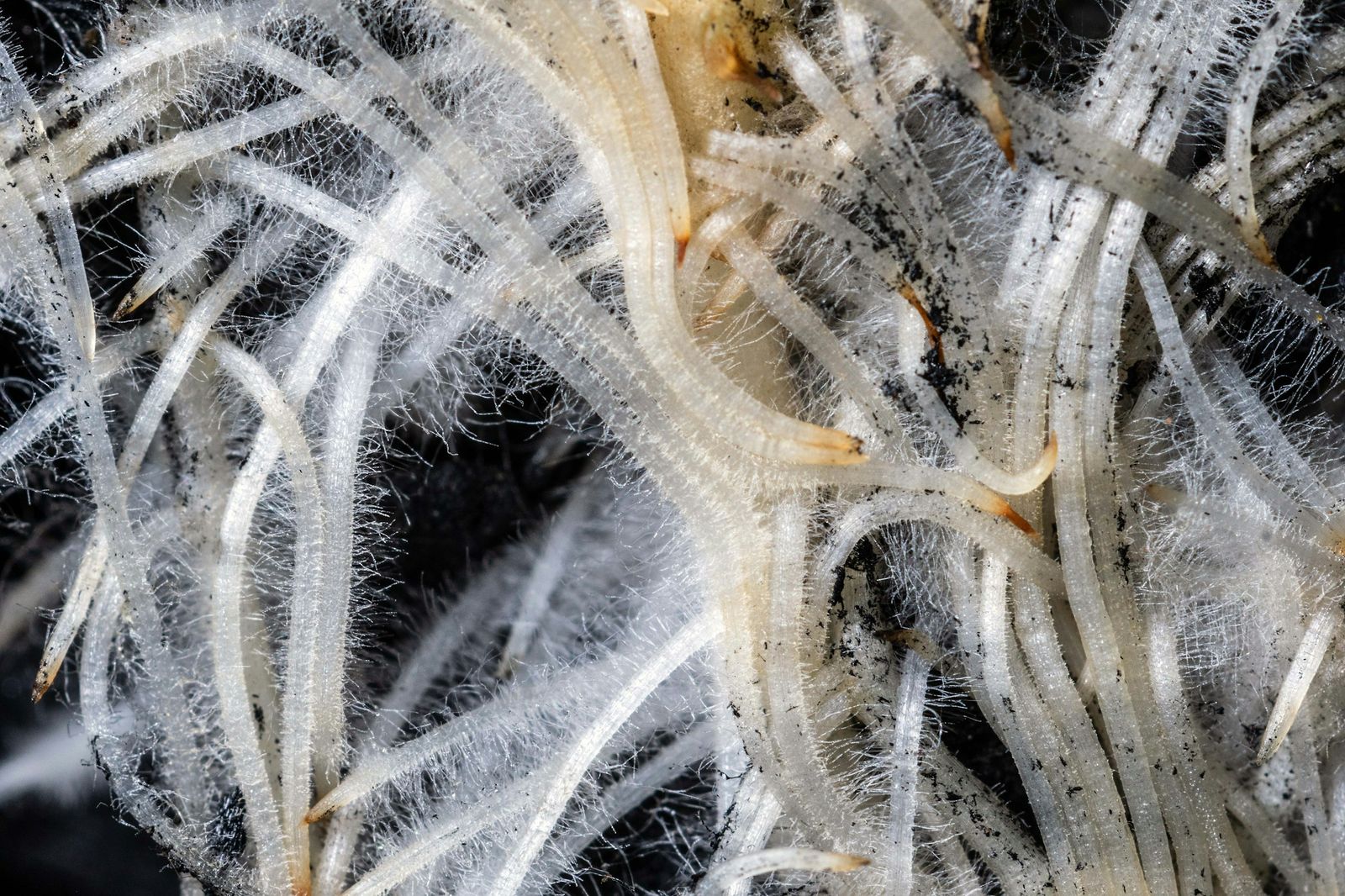
In a deep pot, gravity pulls excess water down and away from the upper root zone fairly effectively, even in a moisture-holding mix like standard potting soil. In a shallow bonsai pot, there isn't enough vertical distance for that to happen — water pools around the roots instead of draining past them, and the fine, dense root systems bonsai are trained to develop sit in that standing moisture. That's the direct mechanical path to root rot.
Regular potting soil is formulated for depth. It's not a bad product — it's the wrong product for a bonsai pot's geometry.
What bonsai soil actually is
Rather than one specific ingredient, "bonsai soil" describes a mix built around particle size and structure instead of moisture retention. The traditional building blocks:
- Akadama — a fired Japanese clay that holds some water and nutrients while still draining, and breaks down gradually over a few years (a signal that it's time to repot).
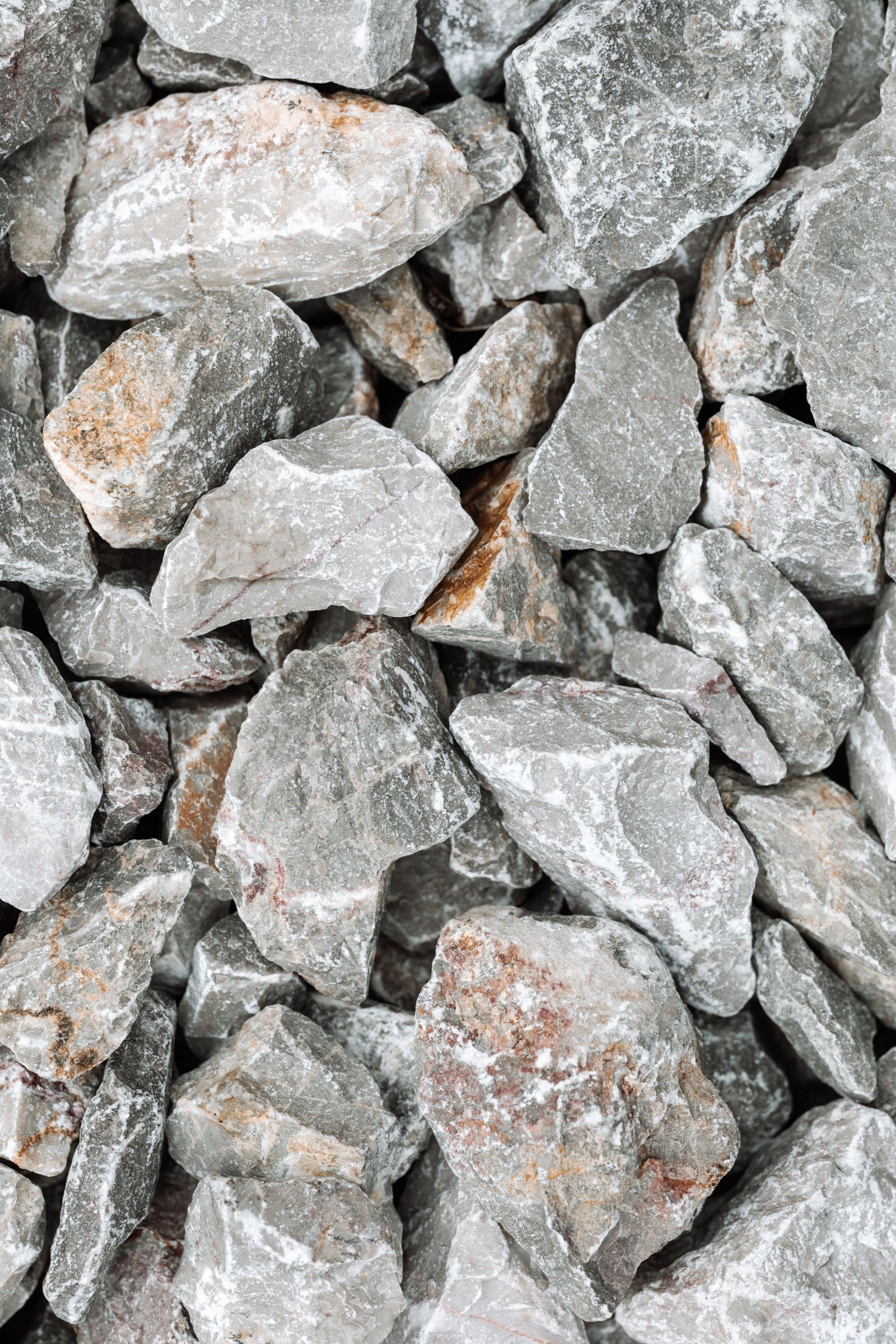
- Pumice — a lightweight volcanic rock that adds drainage and aeration without breaking down.
- Lava rock — similar role to pumice, adds structure and drainage, doesn't compact over time.
A common beginner-friendly ratio is roughly equal parts of these three, though the exact mix shifts depending on species and climate — outdoor conifers in wetter climates often lean toward more drainage; tropical indoor species tolerate a bit more water retention.
You don't have to buy akadama specifically
Akadama is imported and can be expensive and hard to source consistently in parts of the US. Calcined clay products (the kind sold as oil-absorbing granules or as sports-field infield conditioner, unscented and additive-free) are a widely used, budget-friendly substitute that behaves similarly. The comparison of specific brands and blends is covered in the bonsai soil buying guide on this site.
How to tell if your current soil is the problem
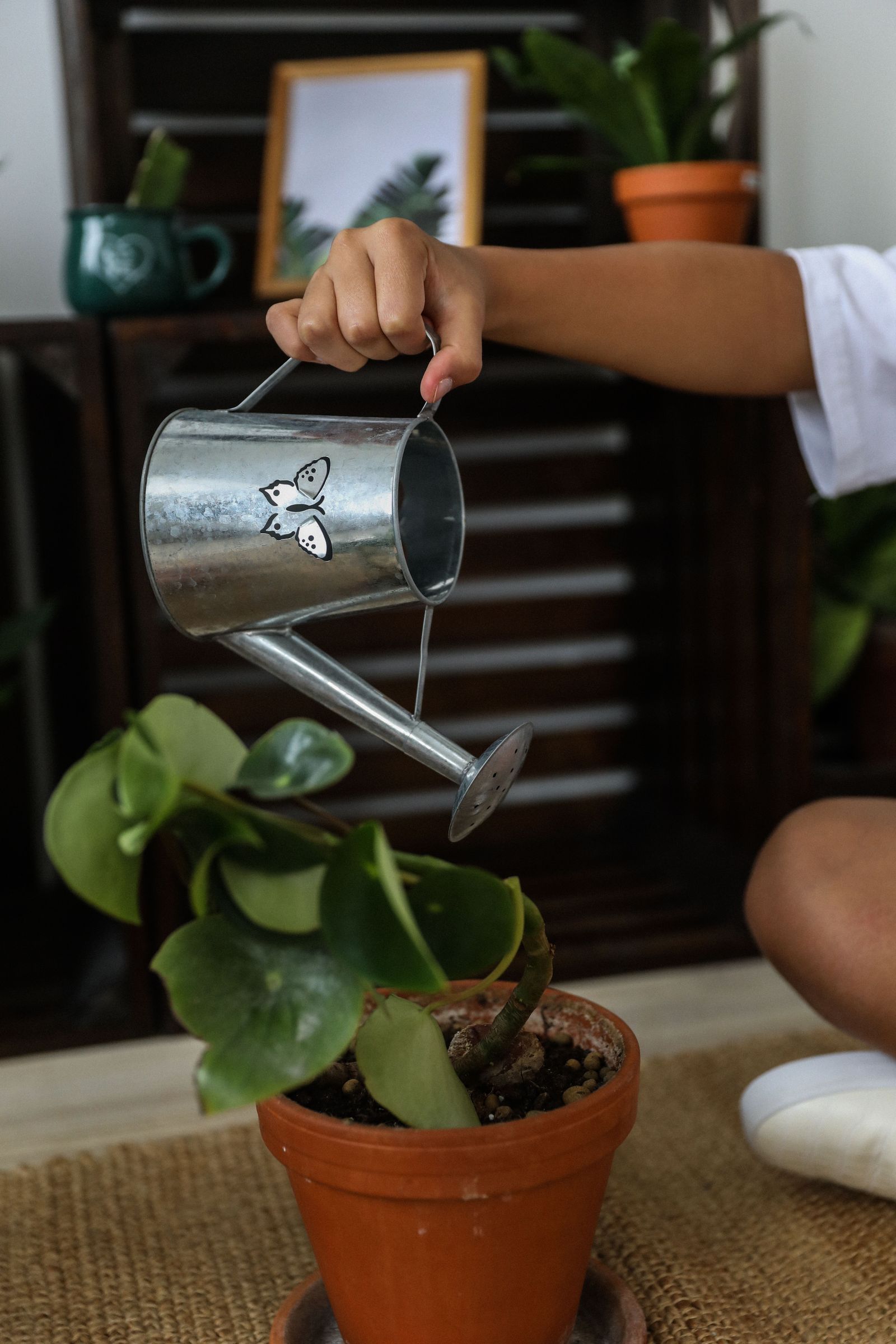
If water sits visibly on the surface for more than a few seconds after watering, or the pot still feels heavy and wet two or three days after a thorough watering with no rain or extra water added, drainage — not your watering habit — is likely the root cause. This is worth ruling out before assuming a watering-schedule problem, since the fix (repotting into a better mix) is different from the fix for a watering habit.
When to actually change it
Mid-season soil swaps stress the roots more than they help. The right time is at a scheduled repotting, typically late winter or very early spring for most temperate species, timed with the tree's natural root-growth window rather than whenever the problem is noticed.
Does the ratio actually change by species?
Yes, meaningfully. Outdoor conifers like juniper and pine generally do well with a drainage-heavy mix — more pumice and lava rock relative to akadama — since they tolerate letting the root zone dry between waterings and are more vulnerable to root rot than to underwatering. Indoor tropical species like ficus tolerate, and often benefit from, a slightly higher proportion of akadama or a moisture-retentive substitute, since they're being watered more consistently in a stable indoor environment and don't need the same aggressive drying-out margin. Deciduous species like Japanese maple or Chinese elm generally sit in between, and are reasonably forgiving of small ratio variations either direction.
None of this needs to be exact on a first attempt — a roughly equal three-way split is a workable starting point for nearly any beginner-appropriate species, and the ratio is something to fine-tune at the next repotting once you've observed how quickly the mix dries out for your specific tree, climate, and watering habits.
A note on soil pH
Most bonsai soil components (akadama, pumice, lava rock, calcined clay) are close to pH-neutral, which suits the majority of common beginner species without adjustment. A small number of species have specific pH preferences — azaleas, for instance, prefer more acidic conditions than the standard mix provides — which is worth checking for your specific species before assuming a universal mix is appropriate, though this is a refinement to consider later rather than a beginner blocker.
The University of Maryland Extension's guidance on growing media for containers makes the same underlying point for container plants generally: particle structure and drainage matter more than any single ingredient, and pot geometry is part of that equation (University of Maryland Extension, "Growing Media (Potting Soil) for Containers").