Once you understand why bonsai soil needs to be structured differently from regular potting mix (see the soil guide if you haven't yet), the next question is practical: build your own, or buy a bag someone already mixed? Both are legitimate; the right choice depends mostly on how many trees you have and how much you enjoy the tinkering.
Pre-mixed bonsai soil: best for one or two trees
A commercial pre-mixed bonsai soil, usually a blend of akadama, pumice, and lava rock (or reasonable substitutes) already combined in workable proportions, is the simplest path if you're repotting one or two trees a year. It costs more per volume than building your own from bulk components, but for the quantity a beginner actually needs, the price difference is often small in absolute terms — a few dollars, not a meaningful budget factor.
Building your own: worth it once you have several trees
Buying akadama, pumice, and lava rock separately in bulk and mixing your own ratio becomes noticeably cheaper per repotting once you're maintaining more than two or three trees, since bulk components cost less per unit than pre-blended bags. It also lets you adjust the ratio per tree — more drainage-heavy for an outdoor conifer in a wet climate, slightly more moisture-retentive for an indoor tropical.
What to check on a pre-mixed bag before buying
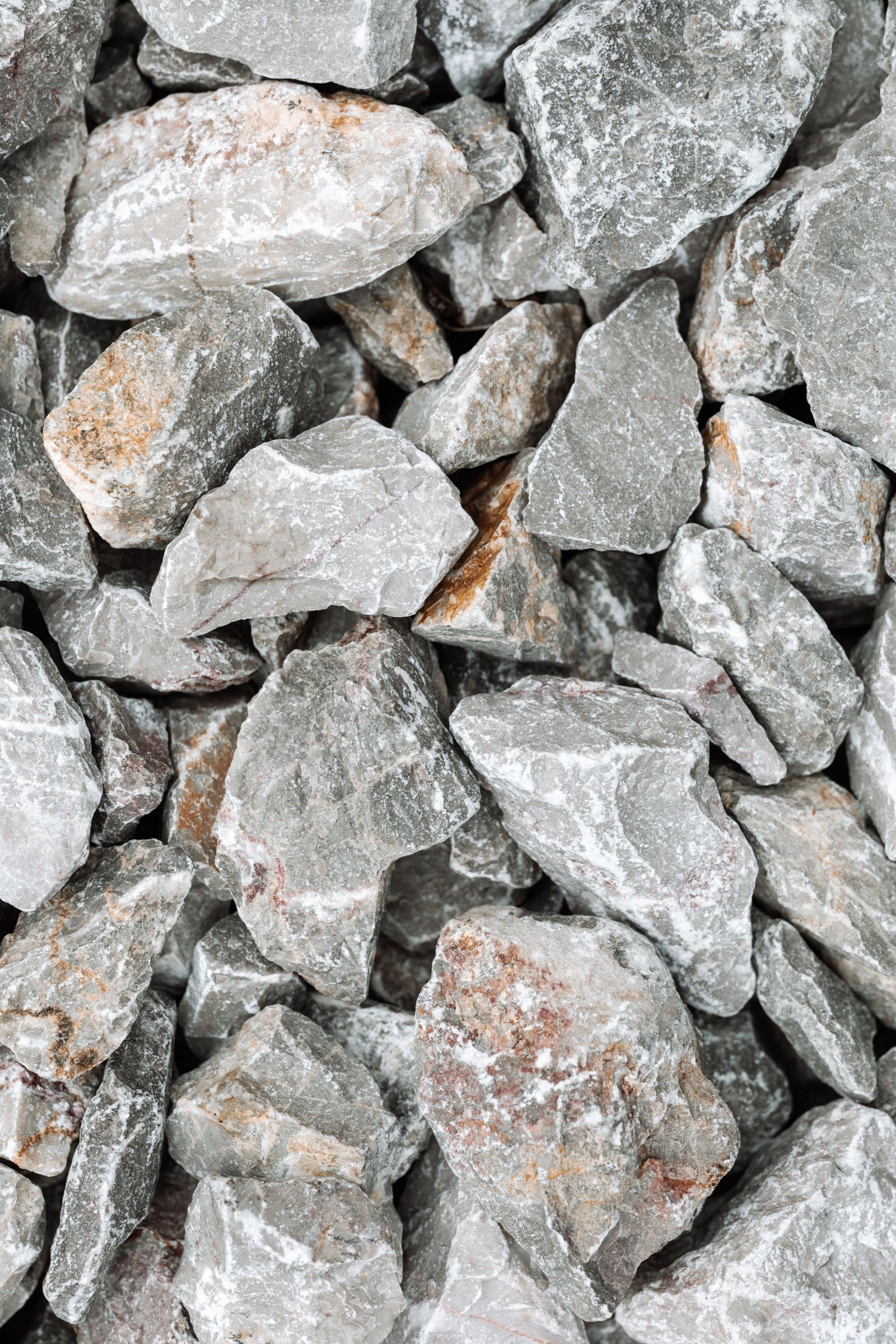
- Particle size, not just ingredient list — a bonsai-appropriate mix uses relatively uniform, granular particles (roughly a few millimeters), not fine dust or large chunks. Fine particles compact and drain poorly; oversized particles don't hold the root ball together well in a shallow pot.
- Whether it's pre-sifted — some budget mixes include dust and fines that should have been sifted out; a small amount is normal, but a bag that's mostly fine powder isn't doing the job.
- Species match — some commercial mixes are labeled generically, others specify "for conifers" or "for tropical/indoor species" with different moisture-retention balances. Match the label to your actual tree category from the species guide rather than grabbing whichever bag is available.
Budget-friendly substitutes worth knowing
Calcined clay (sold as unscented oil-absorbent granules, or as sports-field infield conditioner) is a widely used substitute for akadama in the US, where akadama is imported and can be pricier and less consistently available. It behaves similarly for drainage and structure purposes, though it doesn't break down the same way akadama does over time, which some growers see as an advantage (less frequent repotting need for structural reasons) and others see as a minor drawback.
How much you actually need
For a single small-to-medium bonsai pot, a couple of liters of mix covers one repotting with some left over — far less than most bag sizes, which is part of why bulk-buying components becomes economical once you have more than a couple of trees to repot in the same season.
Where to actually source components in the US
Specialty bonsai suppliers (online retailers focused specifically on bonsai) carry pre-blended mixes and imported akadama, generally at a premium reflecting the specialty sourcing and import costs. For the budget-friendly calcined clay substitute, farm supply stores and some hardware chains carry unscented oil-absorbent granules or infield conditioner in bulk bags at a fraction of the per-volume cost of imported akadama — worth checking locally before defaulting to an online specialty order, especially once you're mixing in any real quantity.
A note on cost expectations
For a single small bonsai, even the pricier pre-mixed specialty option typically costs under the price of a casual restaurant meal for enough soil to last a couple of repottings — this isn't an area where beginners typically overspend by accident, unlike tools or starter kits. The bigger cost risk is buying an unnecessarily large bag "to have extra," when a couple of liters covers a single repotting with room to spare.
The University of Maryland Extension's guidance on potting and repotting indoor plants emphasizes matching growing media structure to the specific plant and container situation rather than defaulting to one universal mix — the same principle that should guide which bonsai soil option makes sense for your setup (University of Maryland Extension, "Potting and Repotting Indoor Plants").