"Bonsai starter kit" covers two genuinely different products sold under the same label, and mixing them up is the single most common regret beginners report after buying one online. Knowing which type you're looking at before buying saves both money and months of unnecessary waiting.
Type 1: seed-growing kits
These include seeds (often several species), small pots, soil discs, and sometimes a growing guide — but not an actual tree. Growing bonsai from seed is a legitimate and rewarding practice, but it means starting from germination, which takes years before there's anything resembling a bonsai to style at all. Bought as a novelty gift or a genuine long-term project with realistic expectations, these are fine. Bought by someone expecting a bonsai to arrive, they're the most common source of disappointed reviews in this category — the mismatch is almost always expectations, not product quality.
Type 2: young-tree kits
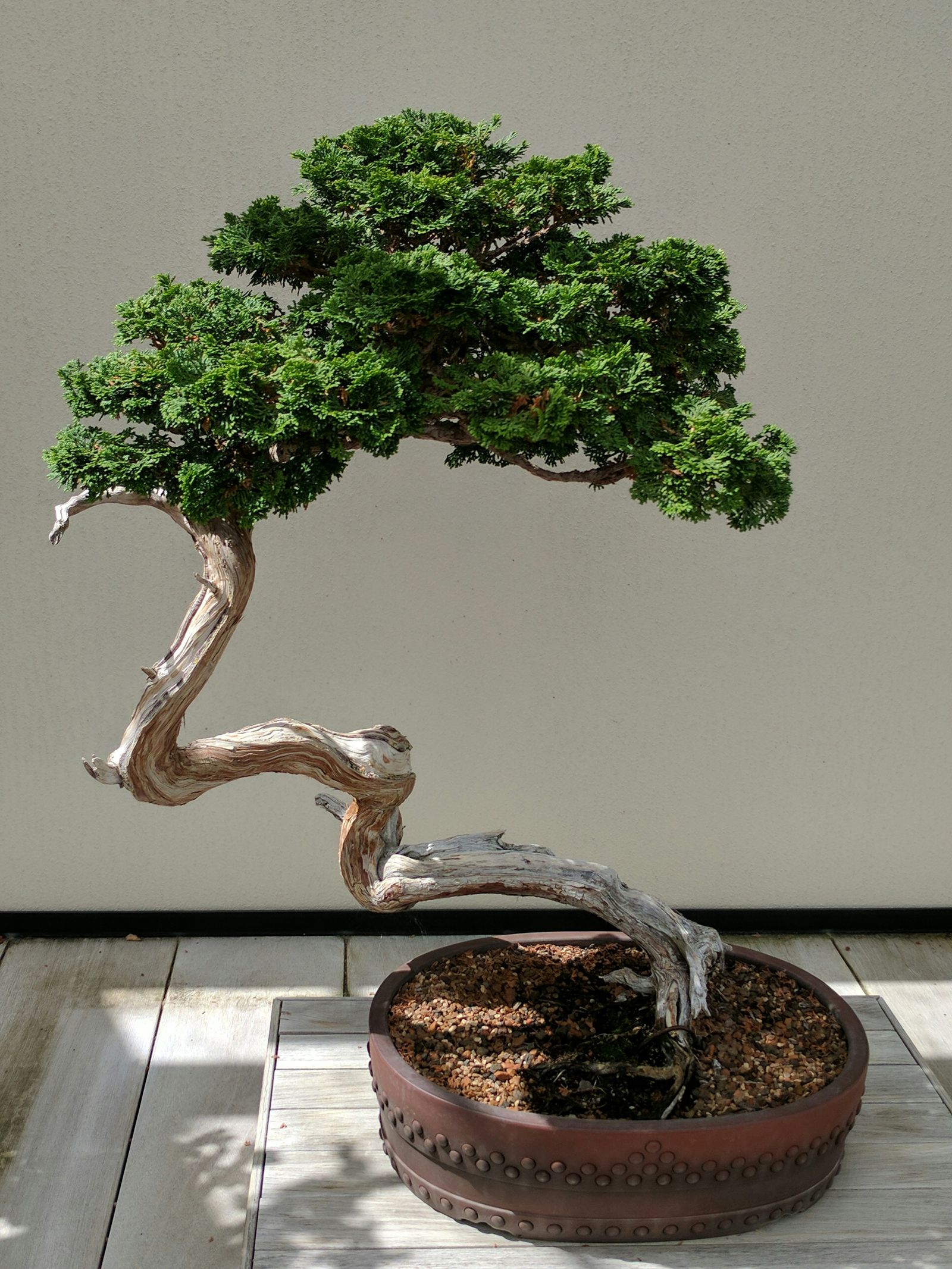
These include an actual young tree (nursery stock or an early-stage pre-trained tree), a pot, soil, and usually basic tools. This is what most beginners actually want when they search "bonsai starter kit" — something to style and care for now, not germinate over several years. Read the product description carefully; "kit" alone doesn't tell you which type you're getting, and it's genuinely easy to buy the wrong one by accident.
What a genuinely good tree-based kit includes
- A live, already-rooted young tree of a named, identifiable species — vague listings like "bonsai tree (assorted species)" are a mild red flag for quality control
- A pot with actual drainage holes, not a purely decorative container
- Soil appropriate for bonsai (see the soil buying guide) rather than a small bag of standard potting mix repackaged
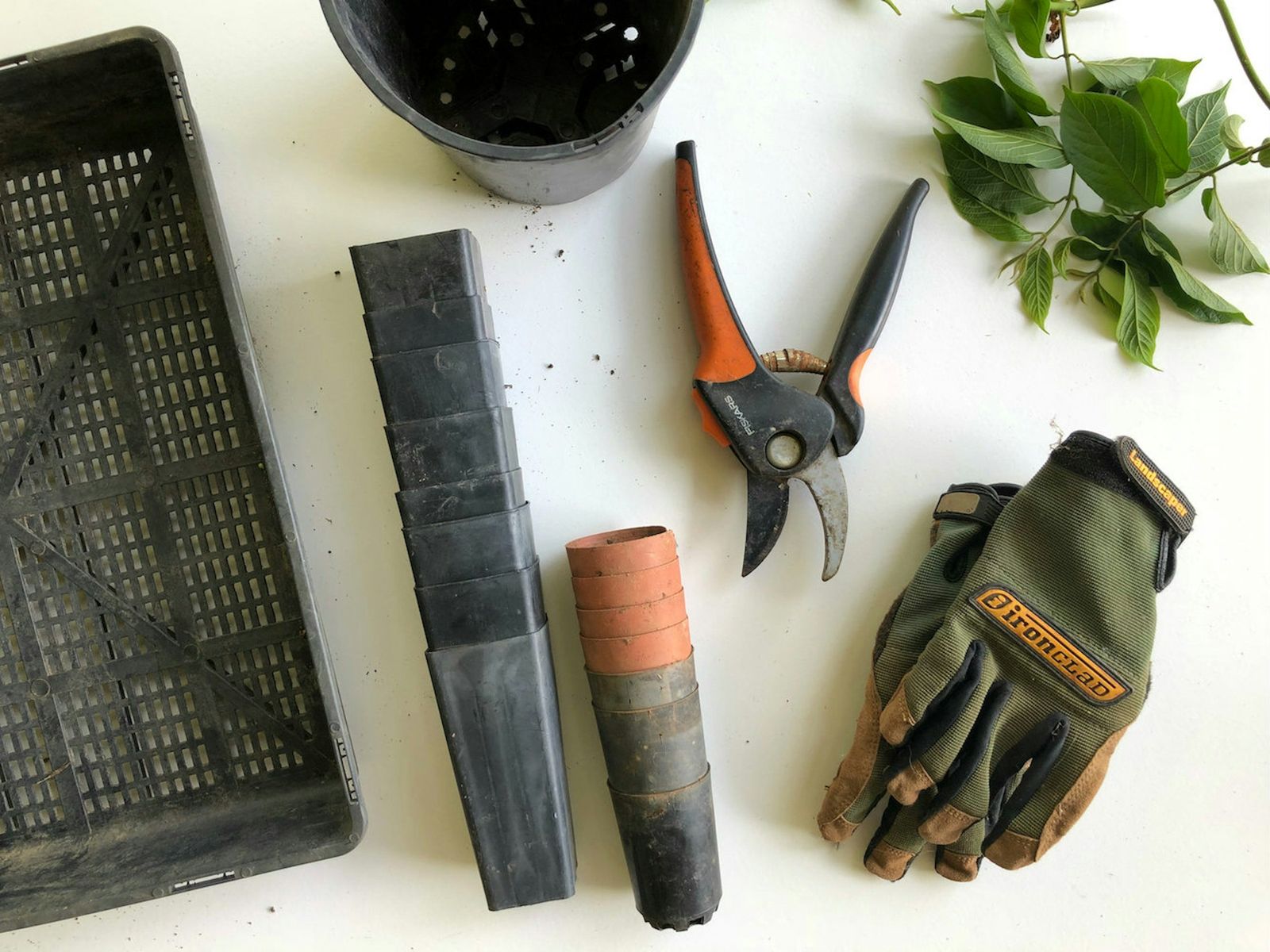
- At minimum, one usable pruning tool — the rest of what you'll need is covered in the tools guide and doesn't need to come bundled
What to be skeptical of
Kits padded with a large number of tools (ten or more pieces) are more often a way to justify a higher price than a genuine beginner necessity — see the tools guide linked above for what actually matters in year one. Similarly, kits that emphasize "ships in aesthetic packaging perfect for gifting" over species information or care instructions are optimized for the unboxing photo, not for the tree's actual survival.
Is a kit worth it at all, versus buying pieces separately?
For a first tree specifically, a well-reviewed tree-based kit removes the guesswork of matching a pot size to a tree and sourcing appropriate soil in small quantities — genuinely useful convenience for someone who doesn't yet know what to look for. Once you're buying a second or third tree, buying components separately (a tree from a specialized nursery, soil in bulk, tools already owned) is usually better value, since you're no longer paying the kit-assembly premium for things you already have.
A reasonable expectation to set
Whichever kit type you choose, expect to be doing real ongoing care from week one — watering, light placement, eventually pruning — not a "set it and forget it" product. See the basics guide for what that first month actually looks like.
Reading reviews with the right filter
Star ratings alone are a weak signal for this category, since a seed-based kit bought by someone expecting a live tree will rate it poorly through no real fault of the product. Read a handful of the actual written reviews instead, specifically looking for whether reviewers describe receiving a living plant versus seeds, and whether any mention tree health after a few weeks or months rather than only commenting on packaging and shipping speed. A kit with mixed star ratings but written reviews consistently describing a healthy, well-packaged live tree is a better bet than a higher-rated kit with reviews that only ever mention "arrived nicely," which tells you nothing about whether the tree survived.
Gifting a kit to someone else
If you're buying this as a gift rather than for yourself, a tree-based kit sets more realistic expectations for a recipient who doesn't yet know the difference between the two kit types — a seed kit given as "a bonsai" risks disappointing someone expecting something to display immediately, through no fault of their own. Pairing either kit type with a link to the basics guide or this site generally is a reasonable way to set the recipient up with realistic expectations from day one.
Penn State Extension's introductory bonsai overview notes that success with a first tree depends far more on matching species and starting condition to realistic beginner care than on any particular tool bundle or accessory set (Penn State Extension, "The Art and Science of Bonsai").