Most "best beginner bonsai species" lists are really popularity lists — the species people buy most often, not necessarily the ones that survive beginner mistakes best. Those aren't the same thing; junipers top most popularity lists and also account for a large share of first-year bonsai deaths, precisely because popularity doesn't equal forgiveness. This list ranks by a different question: how much actual care inconsistency, wrong-environment placement, or timing mistake can this species absorb before it's in real trouble?
1. Chinese Elm — the most forgiving all-around
Tolerant of minor watering inconsistency, flexible about indoor or outdoor placement (genuinely unusual among bonsai species), and recovers well from pruning mistakes. The main way to actually harm one is prolonged neglect of watering or light, not a single missed check-in. See the Chinese Elm guide.
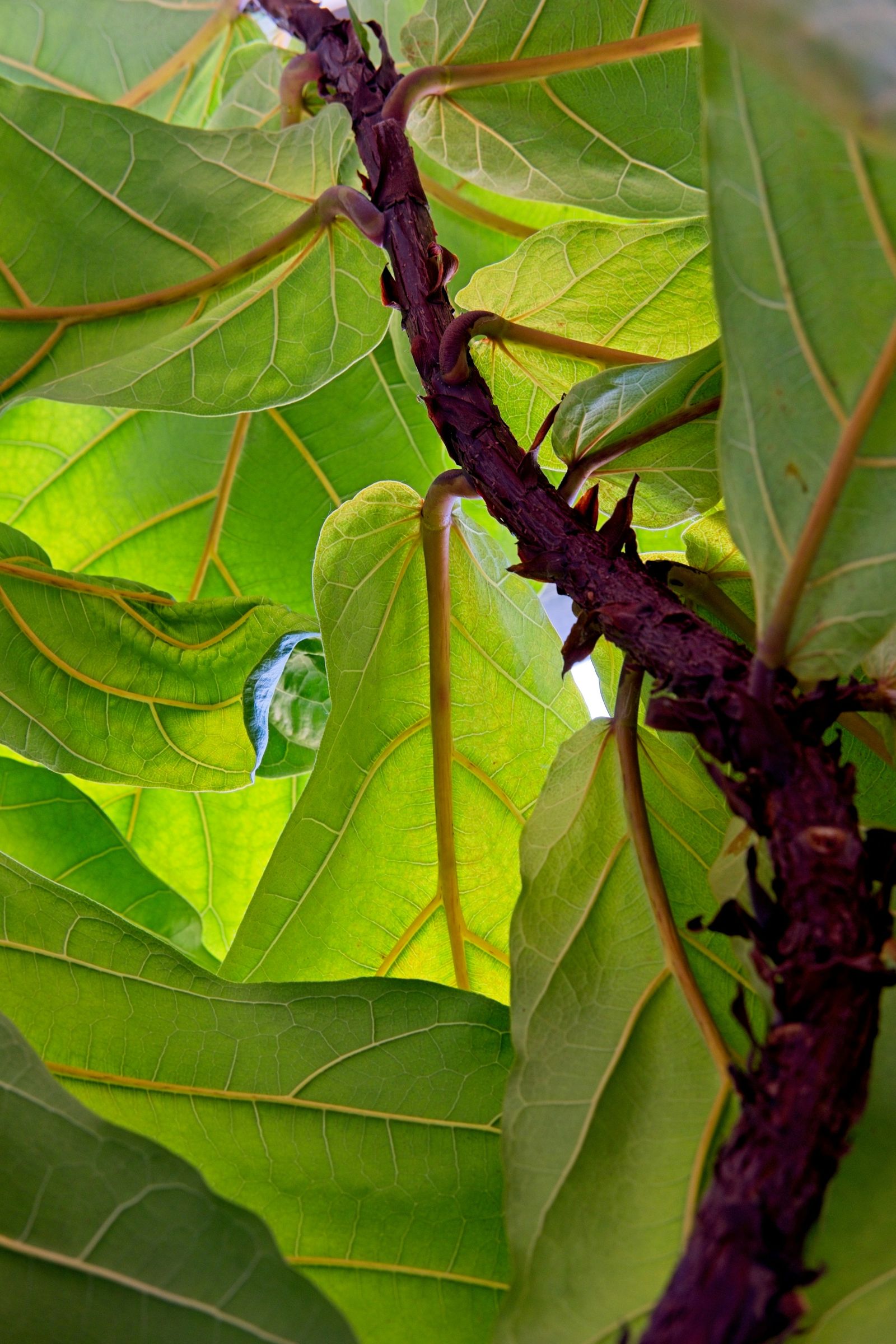
2. Ficus — best if you specifically need indoor-only
Slightly less forgiving of low light than Chinese Elm, but more forgiving of an inconsistent watering routine and dramatically more forgiving of pruning experimentation. Its main beginner trap isn't care difficulty — it's the alarming (but normal) leaf drop after bringing it home, which causes people to panic and overcorrect. See the Ficus guide.
3. Jade (Portulacaria or Crassula) — most forgiving of watering neglect specifically
A succulent-type species that stores water in its leaves and stems, making it unusually tolerant of missed waterings — arguably more forgiving than any other common beginner species on this specific axis. Its main vulnerability runs the other direction: overwatering is genuinely dangerous for it, more so than for most other beginner species, since it's adapted to drought rather than consistent moisture.
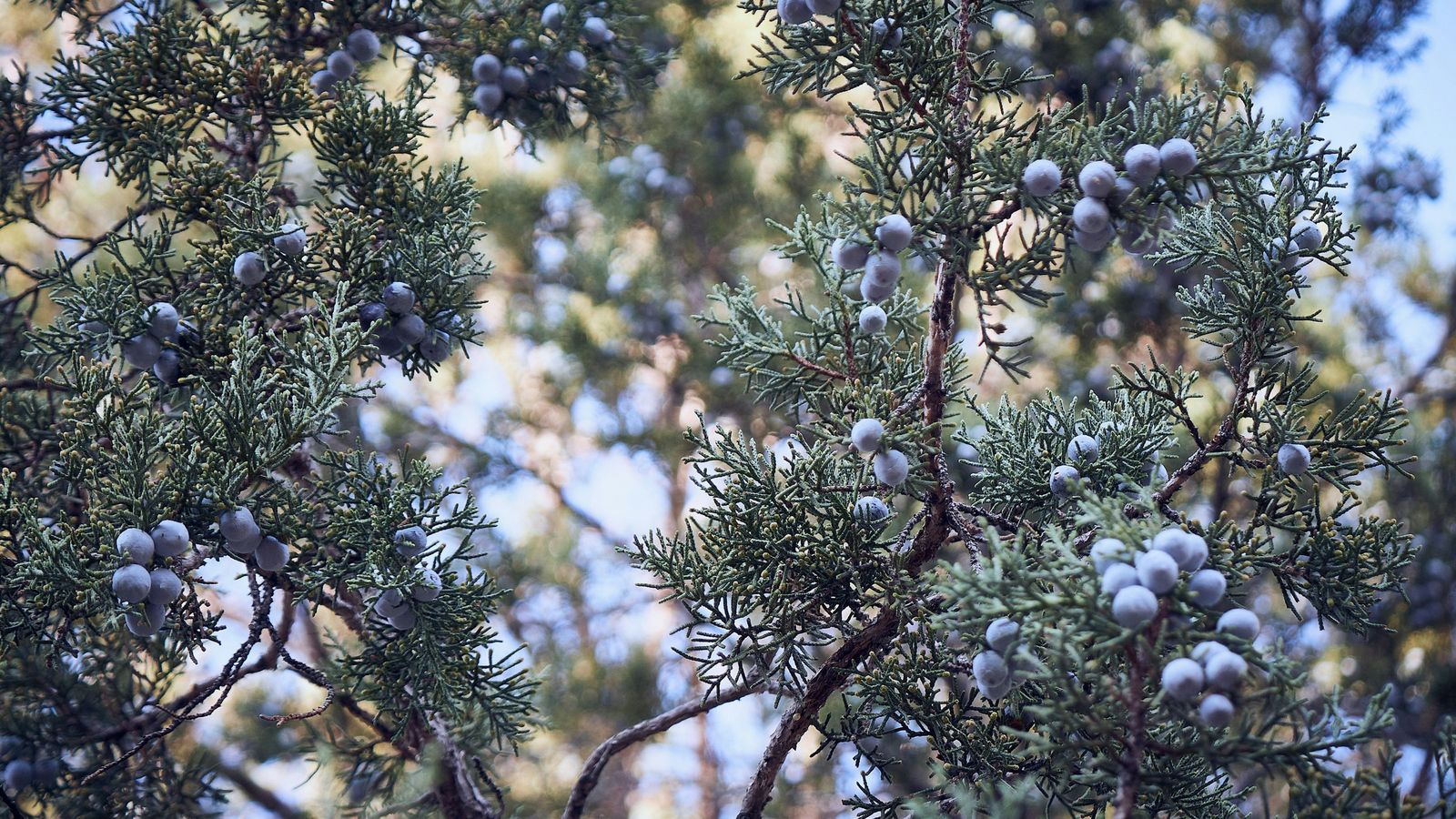
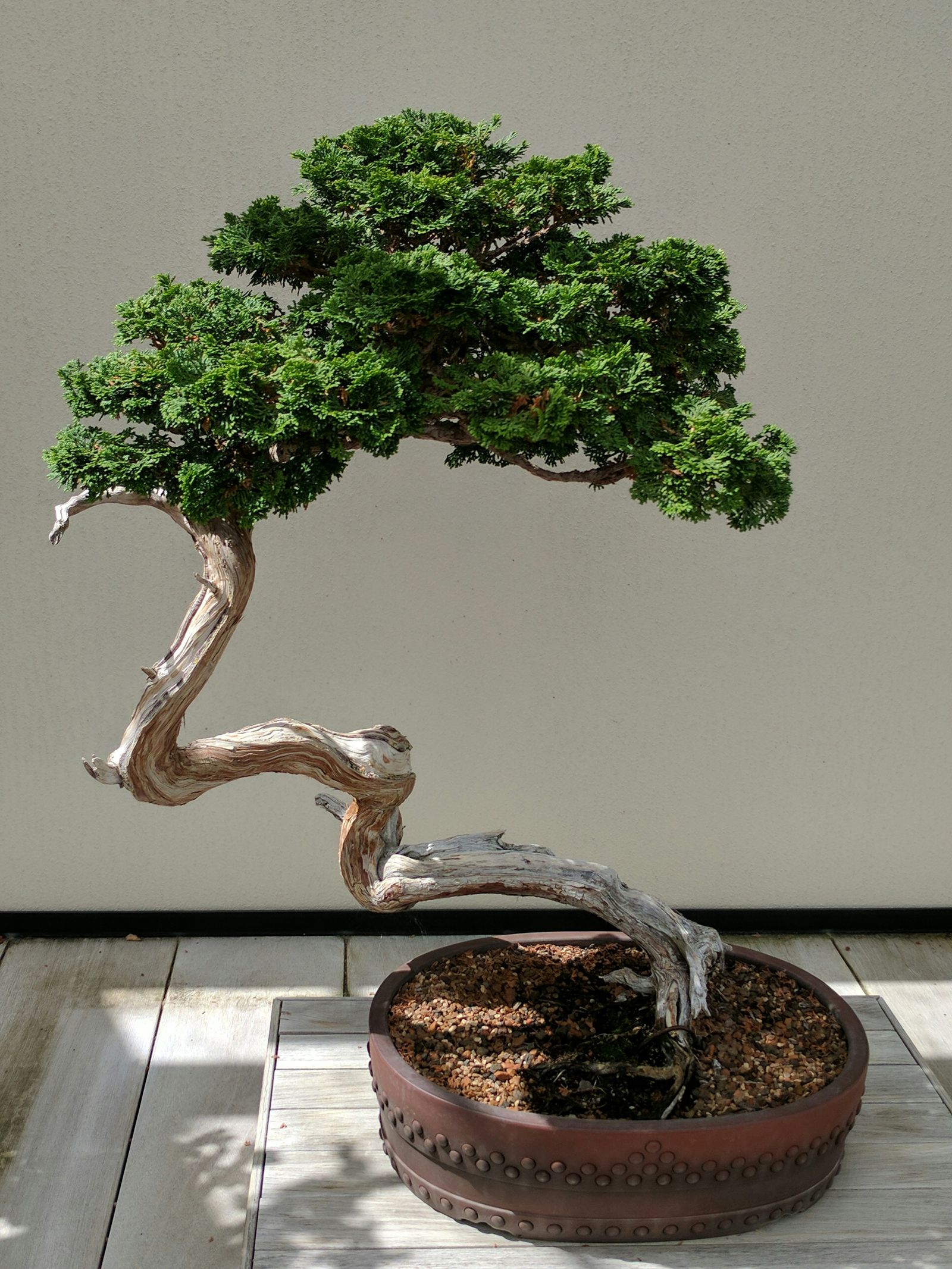
4. Juniper — forgiving of pruning, unforgiving of placement
Ranks lower here specifically because its single biggest risk — being kept indoors — is also the single most common way it's actually sold and displayed, setting beginners up for exactly the wrong assumption. A juniper kept correctly outdoors is genuinely low-maintenance; the ranking reflects real-world outcomes, not the plant's biology in isolation. See the Juniper guide.
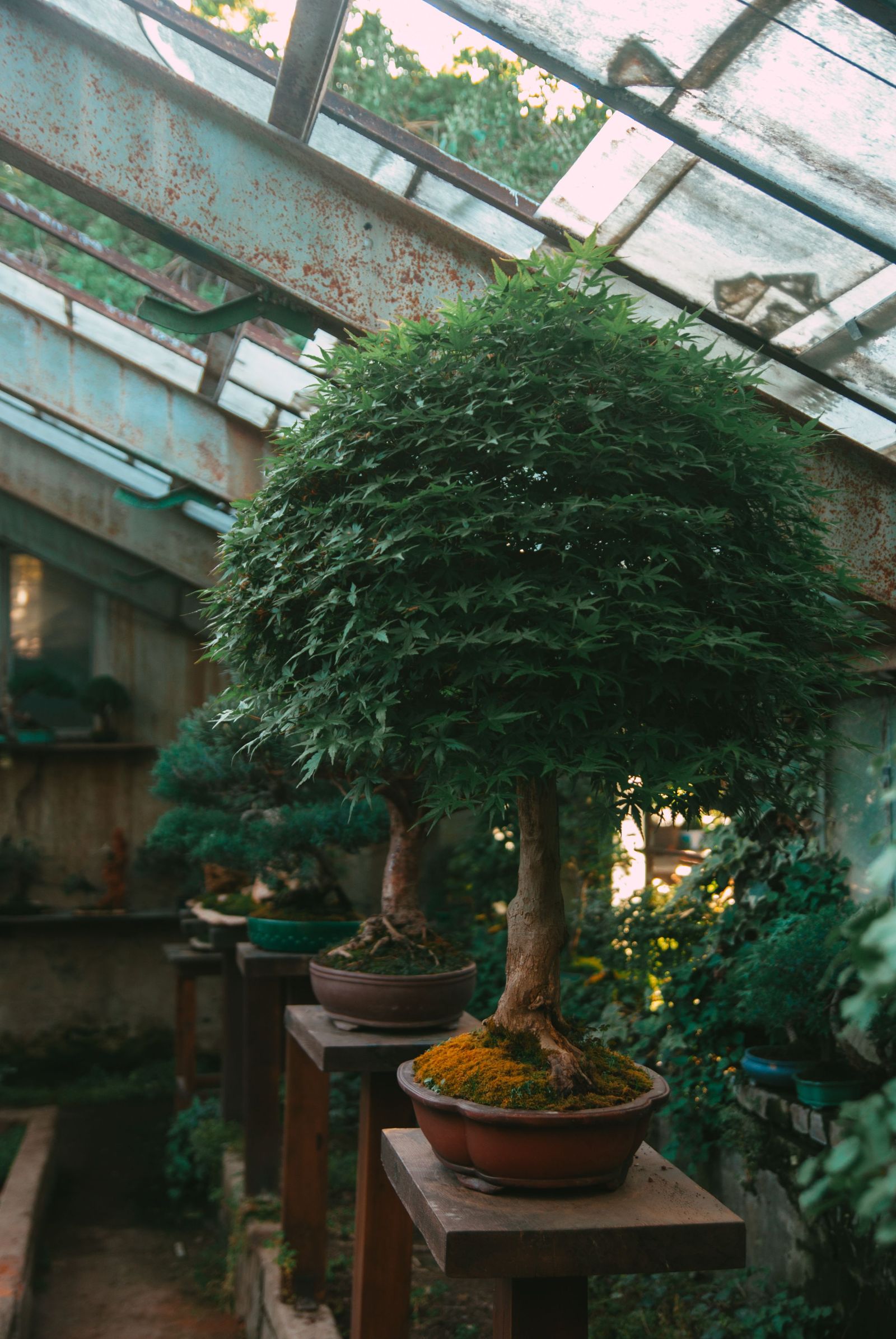
5. Japanese Maple — beautiful, but genuinely less forgiving
Included because it's commonly recommended despite being noticeably less tolerant of watering inconsistency, sun scorch, and root disturbance than the species above. A reasonable second or third tree once you've built some baseline routine, but a harder first tree than its popularity in bonsai photography suggests.
How to actually use this ranking
Match the ranking to your situation, not just to forgiveness in the abstract. If you have no outdoor space, Ficus outranks Chinese Elm for you regardless of this list, because Chinese Elm indoors is more demanding about light than Ficus is. If you tend to forget watering for a few days at a time, jade's water-storing structure matters more than any other factor. The full decision framework is in the bonsai basics guide.
Species worth being cautious about as a genuine first tree
Beyond Japanese Maple, a few other commonly recommended species deserve a caveat. Azalea is stunning when flowering and frequently marketed to beginners for that reason, but it has specific soil pH and watering-consistency needs that make it less forgiving than its popularity suggests. Pine species, while classic and iconic in bonsai photography, generally have slower, more particular growth and pruning requirements that reward experience more than most other beginner-marketed species — a reasonable third or fourth tree, less reasonable as a first.
What actually determines your personal ranking
This list assumes an average beginner situation, but the honest answer is that "most forgiving" is somewhat personal. Someone who checks their plants daily without fail gets less practical benefit from jade's drought tolerance than someone who realistically forgets for a week at a time. Someone with a bright south-facing window gets more out of Ficus's flexibility than someone relying on a dim north-facing room. Read this ranking as a strong general default, then adjust one level based on your specific water access, light situation, and realistic attention span — not as a rigid, one-size-fits-all order.
Penn State Extension's introductory bonsai material notes that species selection matched to the grower's actual environment and habits is a bigger predictor of early success than species selection based on tradition or difficulty reputation alone (Penn State Extension, "The Art and Science of Bonsai").