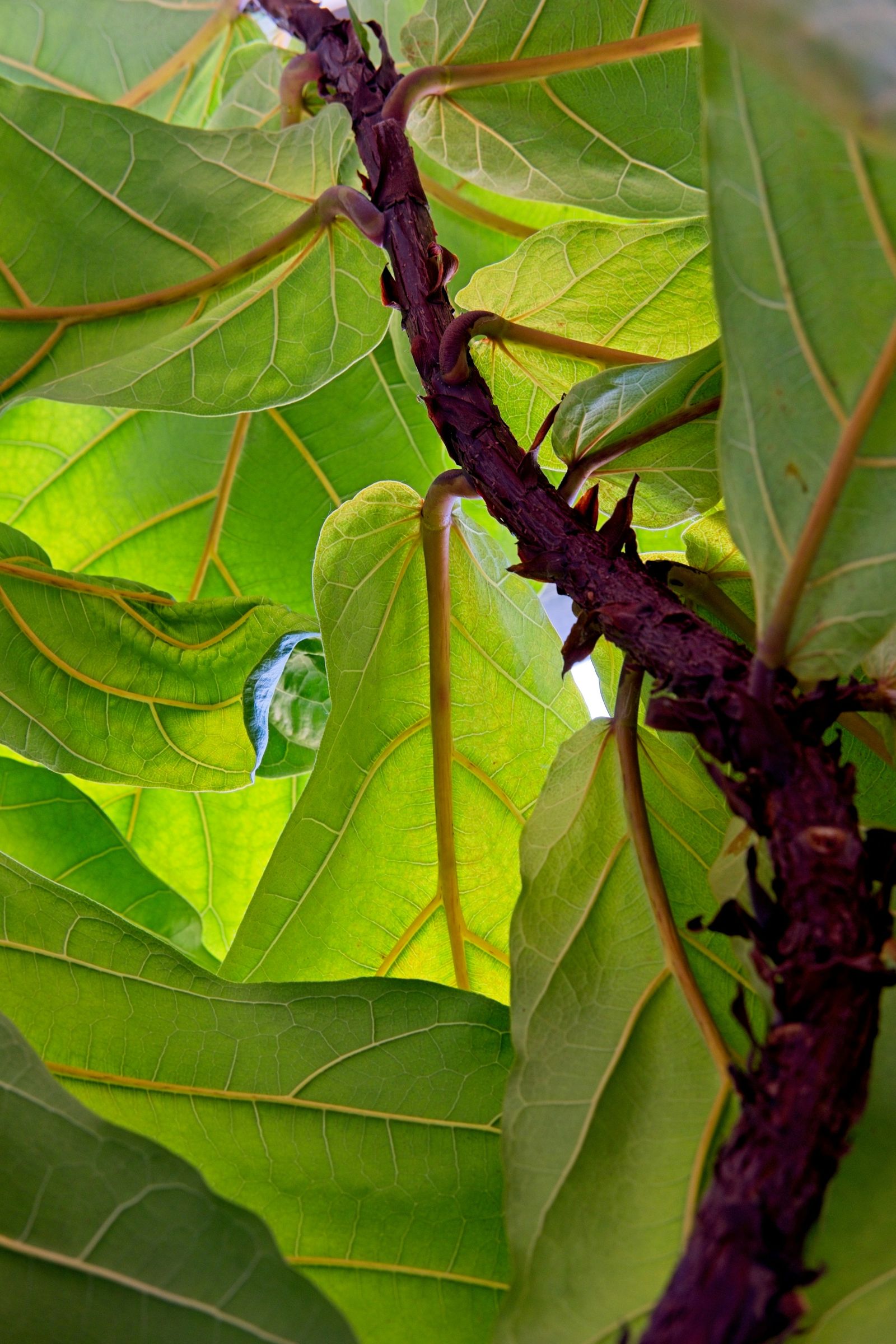
If your situation genuinely calls for an indoor bonsai — an apartment with no outdoor space, a cold climate with no balcony, an office desk — Ficus is the species most experienced growers point beginners toward first, and for good reason. It's tropical (comfortable at normal house temperatures year-round), tolerates the kind of inconsistent care a first-year owner realistically gives, and recovers well from mistakes that would set back less forgiving species.
Light
The brightest spot available — a south- or unobstructed east-facing window in most US homes. Ficus tolerates lower light better than most tropical bonsai species, which is part of its beginner-friendly reputation, but "tolerates" isn't the same as "thrives" — insufficient light still shows up as leggy growth and increased leaf drop over time. See the light requirements guide for how to assess your space honestly.
Watering
The finger-test method from the watering guide applies directly. Ficus is somewhat more tolerant of an occasional missed watering than many species, which is part of why it's a common recommendation — but consistently wet soil still leads to root problems just as it would with any species.
The leaf drop you need to expect
This is the single most important thing to know before buying a Ficus: it will very likely drop a noticeable number of leaves in the first few weeks after you bring it home, purely from adjusting to a new environment. This is normal and temporary, not a sign of a mistake — see the leaf drop guide for the full explanation and what to watch for instead if it doesn't resolve. Knowing this in advance prevents a lot of unnecessary panic and unnecessary intervention (extra watering, fertilizing, repotting) that actually slows recovery.
Humidity
Ficus appreciates higher humidity than the average American home provides in winter, when heating systems dry the air significantly. A humidity tray (a shallow tray of water and pebbles the pot sits above, without touching the water directly) is a simple, low-effort way to raise local humidity slightly without misting, which has a limited and short-lived effect by comparison.
Pruning
Ficus grows relatively quickly compared to many bonsai species and tolerates fairly aggressive pruning well, including back-budding from older wood — which makes it more forgiving for a beginner learning pruning technique than a species that doesn't recover as readily from a mistimed or overly aggressive cut. See the pruning guide for the general technique.
One thing to know: the sap
Ficus produces a latex-like white sap when cut, which is a normal part of the plant's biology, not a sign of injury or disease. It can be mildly irritating to skin for some people; washing hands after pruning is a reasonable precaution, and it's worth keeping cut Ficus material away from pets that might chew on it.
Common Ficus varieties sold as bonsai
Not all Ficus sold as bonsai are the same species, and care needs shift slightly between them. Ficus microcarpa (sometimes labeled "Ginseng Ficus" for its swollen, above-soil root base) is probably the most commonly sold variety and one of the most tolerant of the group. Ficus benjamina (weeping fig) has a more delicate, drooping branch habit and is somewhat more sensitive to sudden environmental change than microcarpa, meaning the adjustment leaf drop described above tends to be more pronounced. Ficus retusa is closely related to microcarpa and cared for almost identically. Knowing which variety you have mostly matters for expectations around leaf drop severity, not for a fundamentally different care routine — the light, water, and humidity guidance above applies across all of them.
Repotting
Ficus grows quickly enough that repotting every 1-2 years is common for a younger tree, more often than slower species like juniper. It tolerates root work well compared to many species, which is part of its overall beginner-friendly profile, though the same post-repotting caution (reduced light intensity and no fertilizing for a few weeks) applies as it would for any species.
North Carolina State Extension's Plant Toolbox entry on Ficus microcarpa — a variety commonly sold specifically as bonsai — describes it as well-suited to container culture and indoor conditions with adequate light, consistent with its reputation as a genuinely indoor-appropriate bonsai species (NC State Extension, "Ficus microcarpa 'Golden Gate'").