Juniper is probably the single most-sold "beginner bonsai" in the US, available at garden centers, mall kiosks, and big-box home stores. It's also probably the species with the highest early death rate — not because it's difficult, but because of exactly how it's sold.
The single most important fact: junipers are outdoor trees
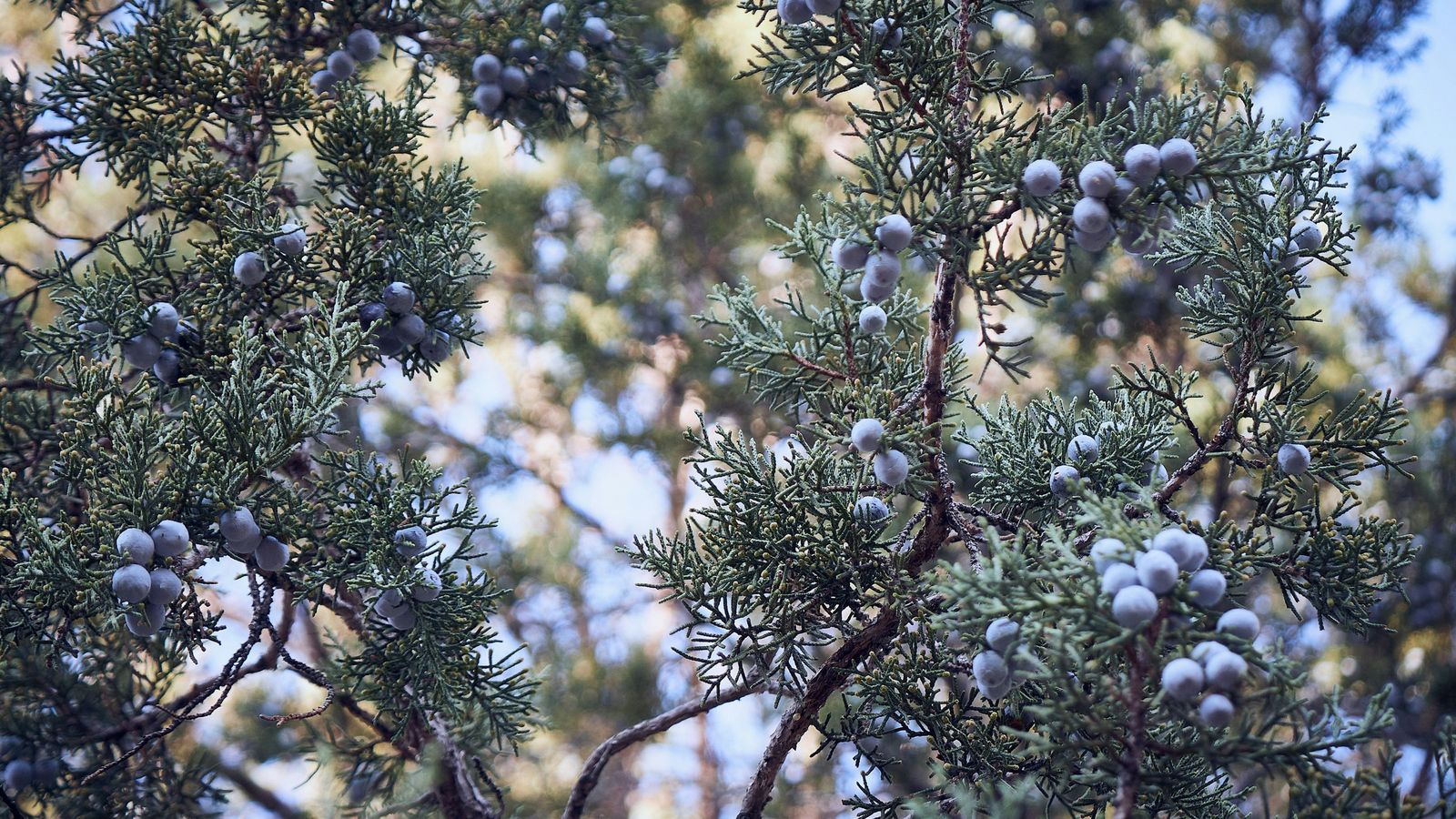
A juniper bonsai is not a special dwarf variety — it's a real juniper, the same species that grows as a landscape shrub, trained small. Like any temperate conifer, it needs real outdoor conditions: direct sun, fresh air, and a genuine seasonal temperature cycle including winter cold. Kept indoors, a juniper doesn't die immediately — it declines gradually over months, which is exactly why so many people don't connect the cause and effect until it's too late. See indoor or outdoor bonsai for the reasoning behind this in more detail.
Light
As much direct sun as your outdoor space provides — junipers tolerate and generally prefer full sun. The main exception is a newly repotted tree, which benefits from a few weeks of partial shade while roots recover before returning to full sun.
Watering
Follow the finger-test method in the watering guide rather than a fixed schedule. Junipers tolerate brief dry spells better than they tolerate consistently wet soil — root rot from overwatering is a more common cause of death than underwatering.
Winter care
Junipers need dormancy and should not be brought indoors for winter in most of the US except during hard freezes, where an unheated garage or cold frame is a reasonable temporary shelter. Continuous indoor warmth through winter, done with good intentions, is one of the more common slow-decline scenarios for this species.
Pruning and pinching
Junipers respond well to regular pinching of new growth tips by hand during the growing season, which encourages denser, more compact foliage over time. Avoid cutting into completely bare, leafless wood — unlike some deciduous species, junipers generally don't back-bud reliably from old wood with no foliage on it, so a branch pruned back too hard may not recover. See the pruning guide for the maintenance-vs-structural distinction.
Common juniper-specific problems
Interior browning — foliage going brown from the inside of the canopy outward, closer to the trunk — is frequently mistaken for disease but is often just natural shedding of older interior foliage as the tree focuses growth on the outer canopy, similar to normal leaf turnover in other species. Widespread, uniform browning across whole branches is more concerning and often traces back to root problems from poor drainage; see the root rot guide if you're seeing this pattern.
Choosing a juniper worth keeping
Not every juniper sold as "bonsai" was developed with bonsai techniques — some are simply young nursery stock wired into a shape and sold at a markup, with thin, unbranched trunks and minimal root development. That's not necessarily a bad starting tree (it can be a legitimate, affordable way to begin training one yourself), but it's worth knowing which one you're buying rather than assuming a store display implies years of prior development.
Repotting frequency
Junipers are relatively slow growers compared to deciduous species like Chinese elm, and generally need repotting less often — roughly every 2-3 years for a younger tree still developing, stretching to 3-5 years for a more mature, established one, versus the more frequent repotting many faster-growing species need. Signs it's time include roots visibly circling the pot's edge or emerging from drainage holes, and water draining noticeably faster than it used to (a sign the soil structure has broken down and compacted). Early spring, just as growth is resuming, is the standard window.
Humidity and outdoor placement specifics
Unlike indoor tropical species, junipers don't need humidity management — outdoor ambient humidity is fine across the range of climates most of the US offers. The bigger placement consideration is wind and sun exposure together: a spot with good airflow reduces fungal issues, but very exposed, high-wind locations can dry out a shallow bonsai pot faster than expected, which circles back to the finger-test watering check rather than a fixed schedule.
Clemson Cooperative Extension's guide to growing junipers notes their strong preference for full sun and well-drained soil, and their general intolerance of prolonged indoor conditions — both directly relevant to bonsai-scale juniper care (Clemson Cooperative Extension, "Growing and Using Juniper").