Here's the part most nursery displays don't tell you: "indoor bonsai" isn't really a category of tree. It's marketing shorthand for "a tropical or subtropical species that happens to tolerate typical house conditions." Whether your tree belongs indoors or outdoors is decided almost entirely by where its species evolved, not by how you'd like to display it.
The actual rule
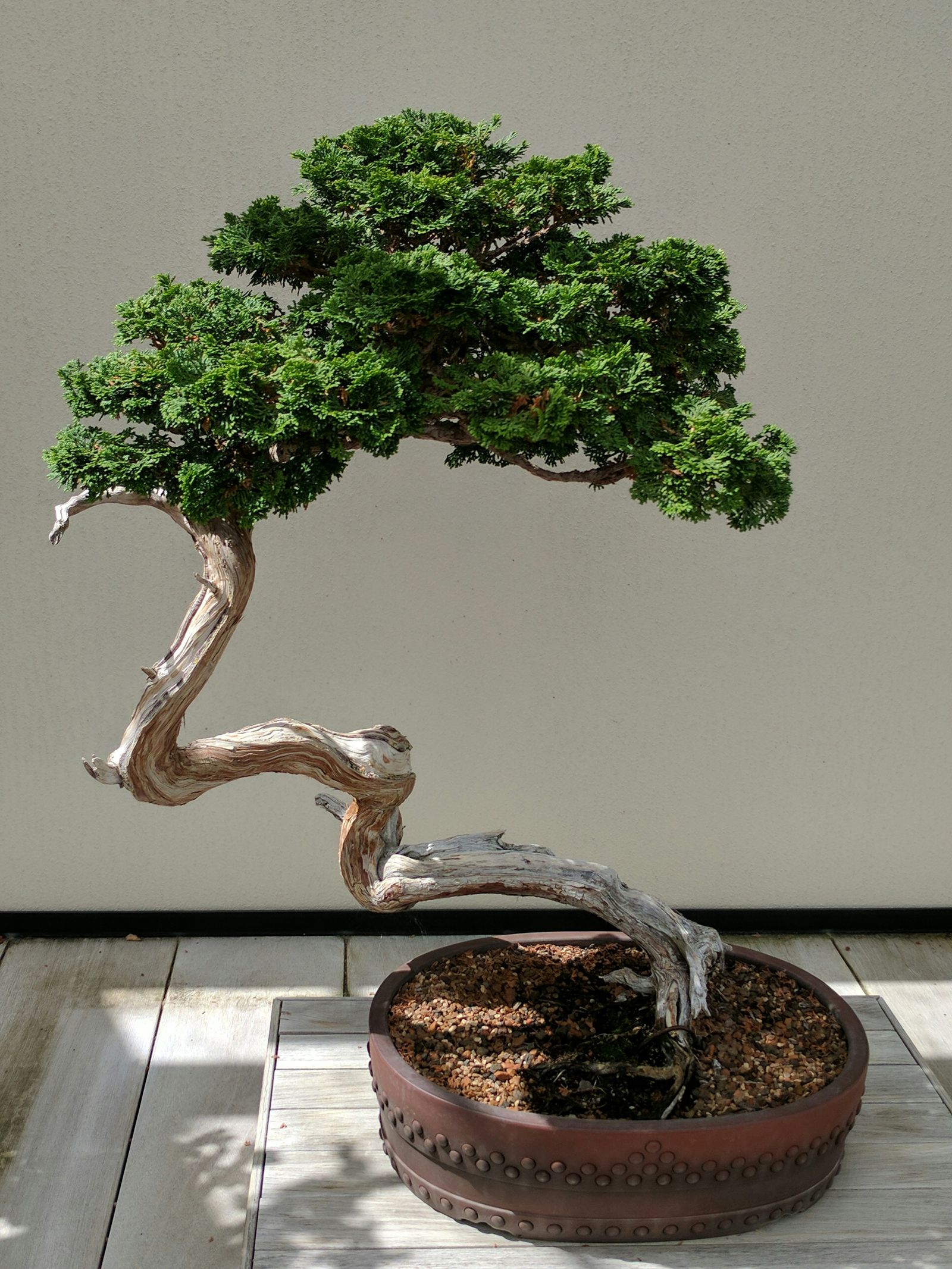
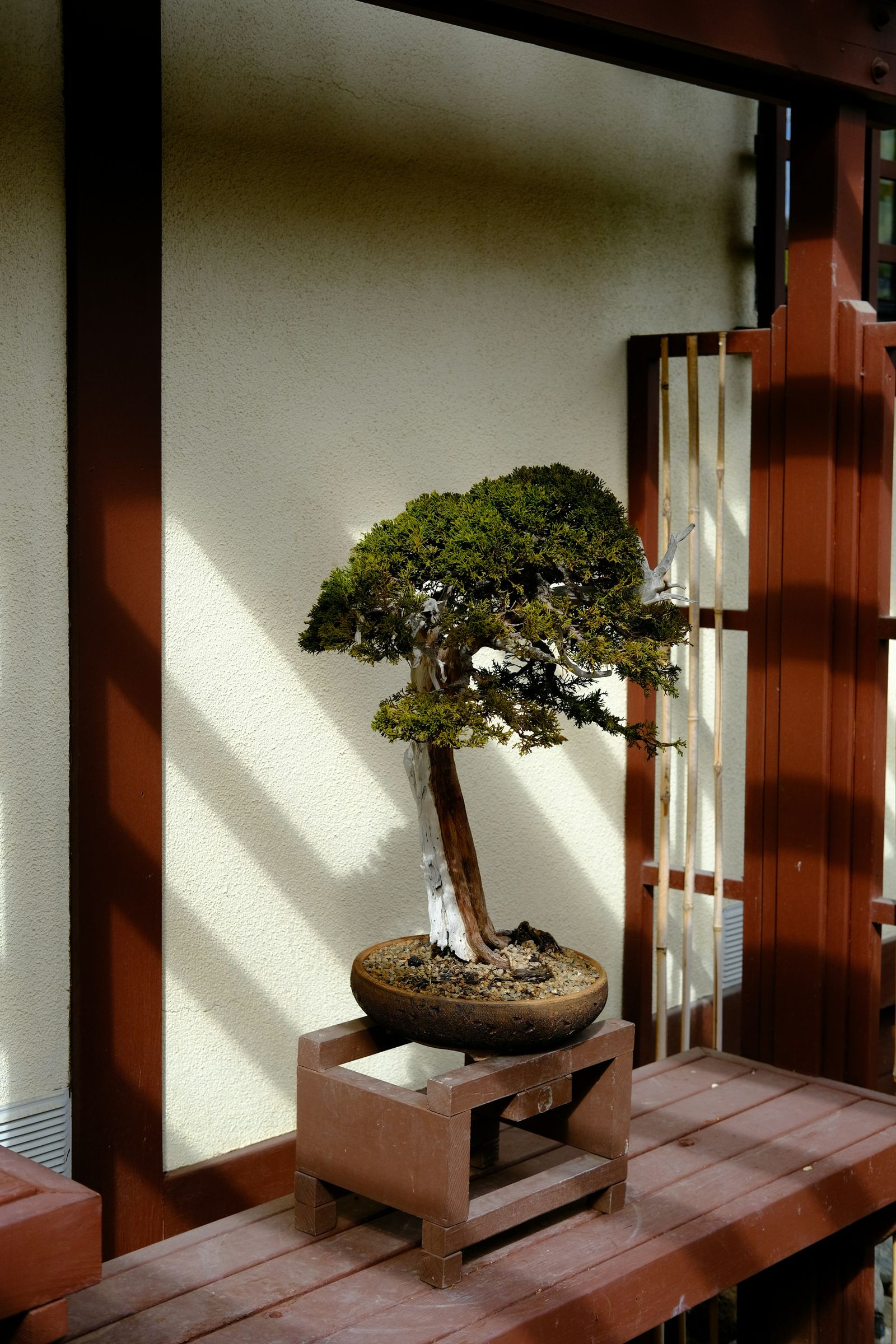
Temperate species — junipers, most maples, most pines, elms — evolved through real seasonal cold. They need a winter dormancy period with genuinely low temperatures to stay healthy long-term, which a heated house never provides. Kept indoors year-round, they slowly weaken over a year or two rather than thriving. These trees belong outside, in a spot with real seasonal weather, brought into an unheated garage or cold frame only during the harshest freezes.
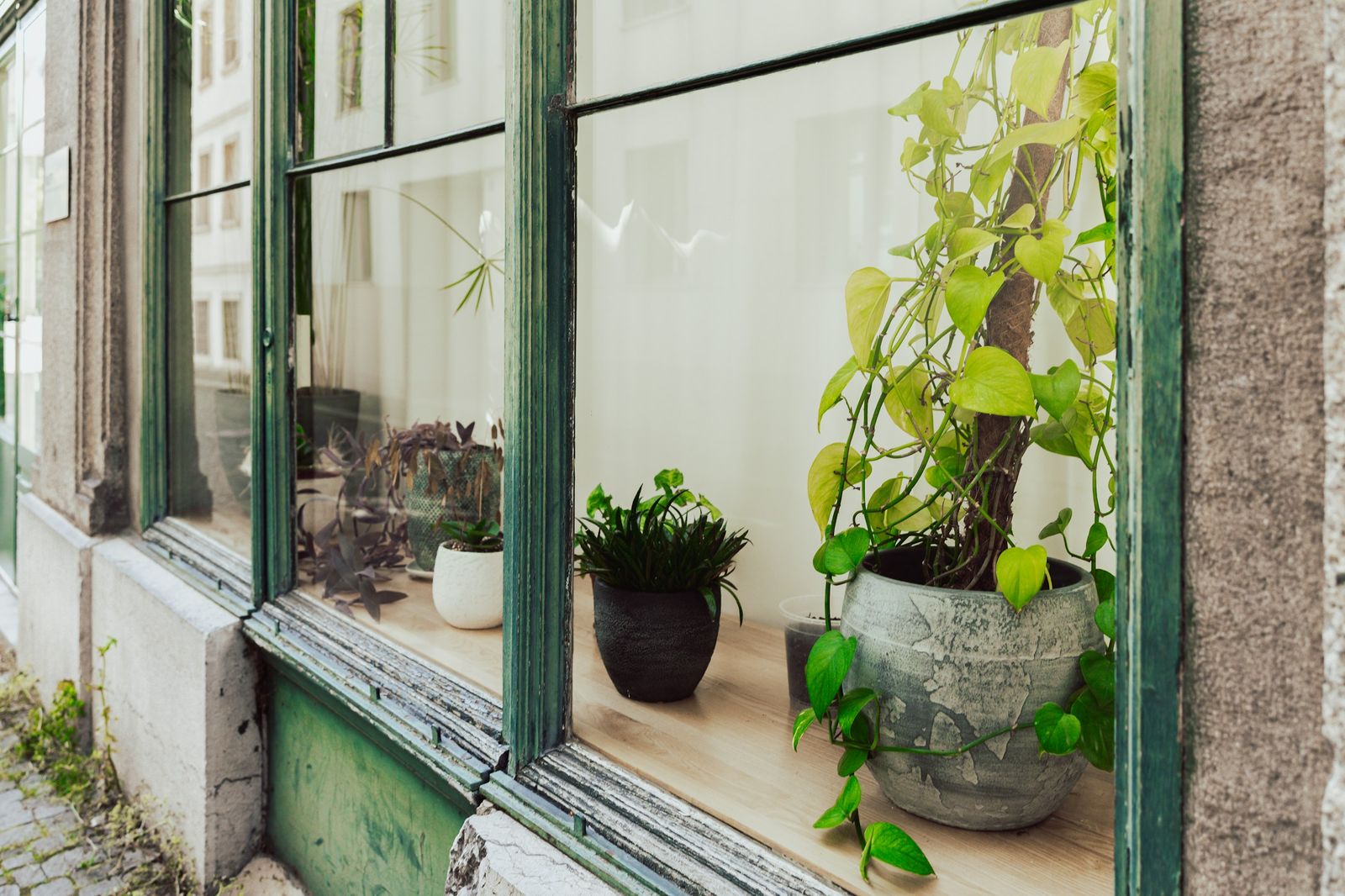
Tropical and subtropical species — ficus, jade, money tree (Pachira), schefflera — never experience a hard winter in their native range. They're comfortable at the temperatures a house already sits at, which is exactly why they're sold as "indoor bonsai." These are the trees that actually work on a windowsill.
How to check what you actually have
If your tree came with a species name (check the nursery tag, or search the botanical name if one was given), that alone tells you the category — a five-second search for "[species name] native range" will show you whether it's temperate or tropical. If you don't know the species, look at the leaves: broad, glossy, evergreen leaves usually point to a tropical species suited for indoors; needle-like foliage (juniper, pine) or leaves that would naturally drop in fall almost always mean the tree needs to live outside.
If you genuinely can't do outdoor space
This is a real constraint, not a failure — apartments, cold climates without a balcony, HOA restrictions. In that case, the honest move is to choose a tropical species deliberately rather than trying to force a temperate one indoors. Ficus is the most forgiving starting point for this exact situation; see the Ficus care guide for specifics.
If you have outdoor space but want something to look at inside too
Some growers keep a temperate tree outdoors as their primary project and a small tropical tree indoors purely for visual enjoyment, since a windowsill juniper won't thrive long-term anyway. That's a completely reasonable setup, and probably a better one than forcing a single tree to live somewhere it's not suited for.
Light changes the calculus too
Even a correctly-chosen indoor species still needs strong, mostly direct light — a south- or east-facing window in most US climates, not just "a bright room." Underestimating light need is a separate, second decision layered on top of the indoor/outdoor one; the light requirements guide covers that specifically.
Signs you guessed wrong
Occasionally someone realizes months in that a tree is struggling in a way that points back to this original decision rather than a watering or light mistake within the right category. For a temperate species kept indoors, the signal is usually a slow, months-long decline that doesn't respond to any of the usual fixes — watering, fertilizing, or repositioning near a brighter window all fail to help, because none of them address the real issue, which is the absence of a winter dormancy cycle the tree biologically needs. For a tropical species mistakenly left outdoors through a cold snap, the signal is much faster and more obvious: sudden, widespread leaf drop or blackening after a cold night, since these species have no frost tolerance at all.
If you suspect a temperate tree has been indoors too long, the fix isn't dramatic — move it outdoors as the season allows, ideally starting in mild spring weather rather than the depth of summer heat or winter cold, and let it acclimate gradually over a week or two rather than moving it from a stable indoor environment straight into full outdoor exposure.
Special case: a windowsill juniper that's already declining
This is common enough to name directly — a juniper bought at a big-box store, kept indoors for months, now browning and thin. If the decline hasn't reached total dieback, moving it outdoors immediately (with a short shaded transition period rather than full sun on day one) gives it the best remaining chance, since the core problem is environmental, not a disease or pest that outdoor conditions would worsen. See the juniper care guide for the fuller picture on this exact scenario, since it's specifically common with that species.
Don't let this decision block you from starting
It's worth saying plainly: getting this wrong is fixable in most cases if caught within a few months, not a permanent mistake. The bigger risk is letting uncertainty about indoor-versus-outdoor stop someone from buying a first tree at all. If you're genuinely unsure which category a specific tree falls into, a tropical species bought specifically for indoor life (see the species guide) removes the ambiguity entirely for a first purchase.
The University of Maryland Extension notes that most houseplant failures attributed to "the plant not liking indoor life" are actually light deficiencies rather than a fundamental mismatch — worth ruling out before assuming a tree was simply the wrong choice (University of Maryland Extension, "Lighting for Indoor Plants").