"My bonsai leaves are turning yellow" is one of the most common searches a worried new owner types in, and most generic answers just list every possible cause without helping you narrow it down. The actual diagnosis depends heavily on which leaves are yellowing and how the yellowing looks — not just that it's happening.
Start here: is it just old leaves?
If the yellowing is limited to a small number of older leaves near the interior or bottom of the canopy, and new growth at the tips looks healthy and green, this is very likely normal leaf turnover — plants continuously shed their oldest leaves as new ones take over, and evergreen doesn't mean "leaves that never die," it means the plant is never fully bare. This alone accounts for a large share of "yellow leaves" panic searches. No action needed.
If it's spreading or affecting newer growth too, work through these in order
1. Overwatering (most common cause)
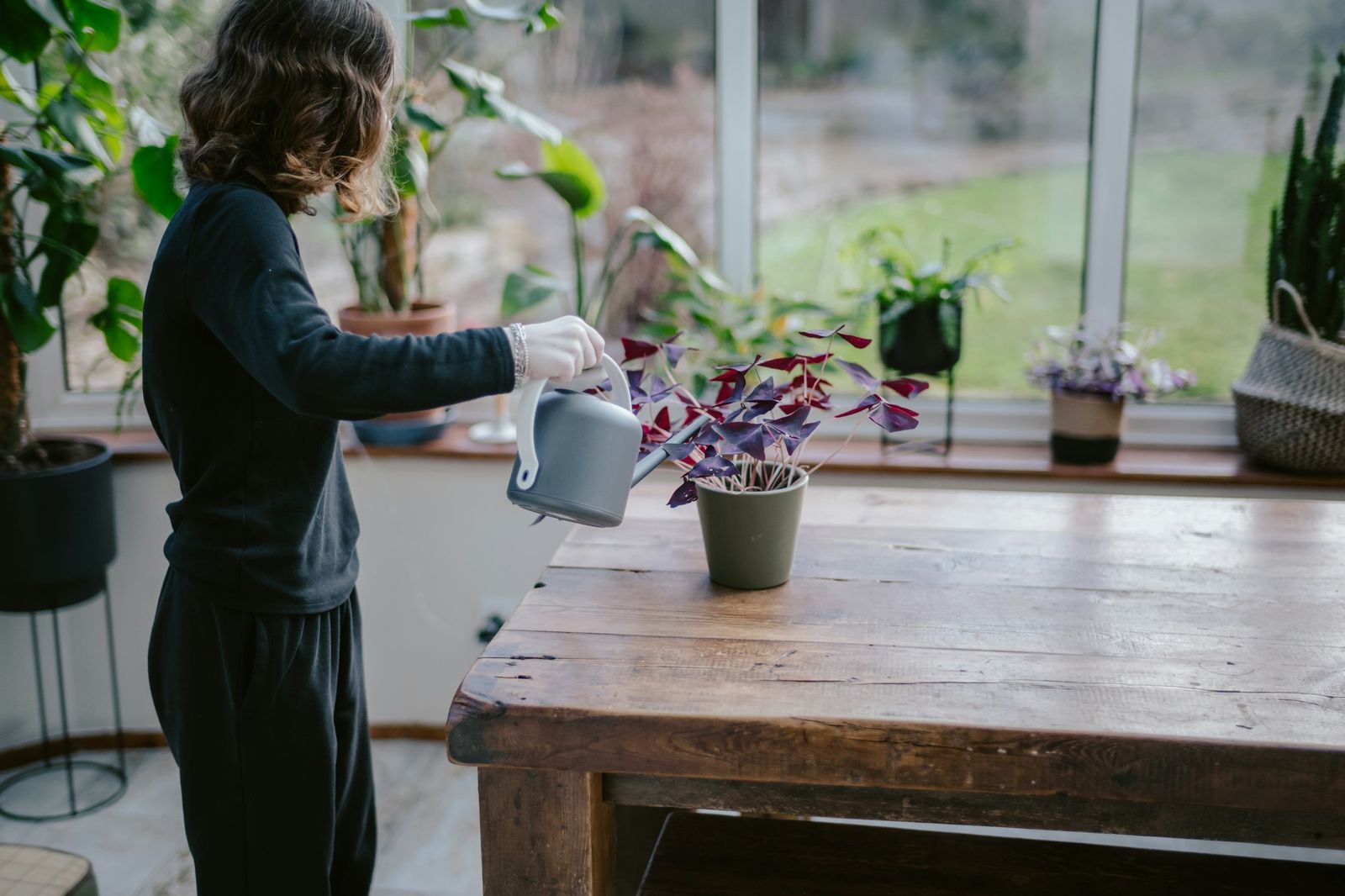
Uniform yellowing across the whole plant, sometimes with a slightly translucent or waterlogged look to the leaves, paired with soil that stays wet for days. This is the single most common actual cause of significant yellowing in beginner bonsai. See overwatering vs. underwatering for how to confirm this and correct it.
2. Underwatering
Yellowing paired with dry, crispy, or curling leaf edges, and soil that's been allowed to fully dry out repeatedly. Often looks similar to overwatering at first glance, which is why checking the soil directly — not just looking at the leaves — is the deciding step.
3. Insufficient light
Yellowing combined with leggy, stretched new growth and slowed overall development, usually on the side of the tree furthest from a light source. See the light requirements guide to rule this in or out.
4. Nutrient deficiency
A specific pattern worth knowing: yellowing that starts on older leaves while new growth stays green usually points to nitrogen deficiency (nitrogen is mobile in the plant and gets pulled from old leaves to support new growth). Yellowing that shows up on new growth first, with veins staying green, more often points to an iron or micronutrient deficiency, sometimes tied to soil pH. This pattern-based distinction is a genuinely useful diagnostic most general guides skip entirely.
5. Root problems (root rot or root-bound roots)
If watering and light both check out normal and the yellowing persists or worsens, root damage is the next suspect — either root rot from a drainage issue, or roots so compacted from being root-bound that they can no longer take up water and nutrients effectively, which typically means it's overdue for repotting.
A quick triage order
Check the soil moisture by hand first (rules in or out over/underwatering), then assess light placement, then look at the yellowing pattern (old vs. new leaves) for a nutrient read, and only consider root problems if the first three don't explain what you're seeing.
How fast should you act?
Not every yellow leaf needs same-day intervention, and reacting too fast, before you've properly identified the cause, is itself a common way beginners make things worse (see the mistake box above). A reasonable pace: if it's one or two older leaves, monitor for a week before doing anything — that's well within the range of normal turnover. If yellowing is spreading to multiple leaves or affecting new growth within a few days, move through the diagnostic order above promptly, since watering and light problems compound the longer they go uncorrected.
What recovery looks like once you've identified and fixed the cause
Already-yellowed leaves generally do not turn back green — the damage to that specific leaf is usually permanent, whether the cause was water, light, or nutrients. What you're watching for instead is whether new growth comes in healthy once the underlying issue is corrected. That's the real confirmation the diagnosis and fix were right, typically visible within two to four weeks depending on the tree's growth rate and the season.
The University of Maryland Extension's overview of overwatered indoor plants describes this same overlapping-symptom problem in general houseplants, noting that visual symptoms alone are rarely enough to diagnose the cause without also checking soil moisture directly (University of Maryland Extension, "Overwatered Indoor Plants").