Here's the piece most general houseplant advice misses: bonsai soil (see the soil guide) is deliberately built from mostly inert material — akadama, pumice, lava rock — for drainage. That same structure means it holds almost no reserve nutrients on its own, unlike regular potting soil, which has organic matter slowly releasing nutrients in the background. A bonsai depends on you for essentially all of its nutrition, on a more consistent basis than a houseplant in richer soil would.
What "NPK" actually means for a bonsai
Fertilizer labels show three numbers: nitrogen (N), phosphorus (P), and potassium (K). Nitrogen drives leaf and shoot growth, phosphorus supports root and flower development, potassium supports overall hardiness and disease resistance. For most of the growing season, a balanced or slightly nitrogen-favored fertilizer (something like 10-10-10 or similar) works for foliage-focused growth. Late in the season, many growers shift toward a lower-nitrogen, higher-phosphorus/potassium mix to encourage root strength and hardiness heading into dormancy rather than pushing tender new growth right before cold weather.
How often, realistically
During active growth (spring through summer for most temperate species, roughly year-round for stable indoor tropicals), every 2-4 weeks at a diluted strength is a reasonable default — diluted because bonsai are fed more frequently but more lightly than a houseplant fertilized once a month at full strength. Over-concentrated fertilizer in a small pot volume can burn roots faster than it would in a larger container, since there's less soil to buffer the salt concentration.
Solid vs. liquid
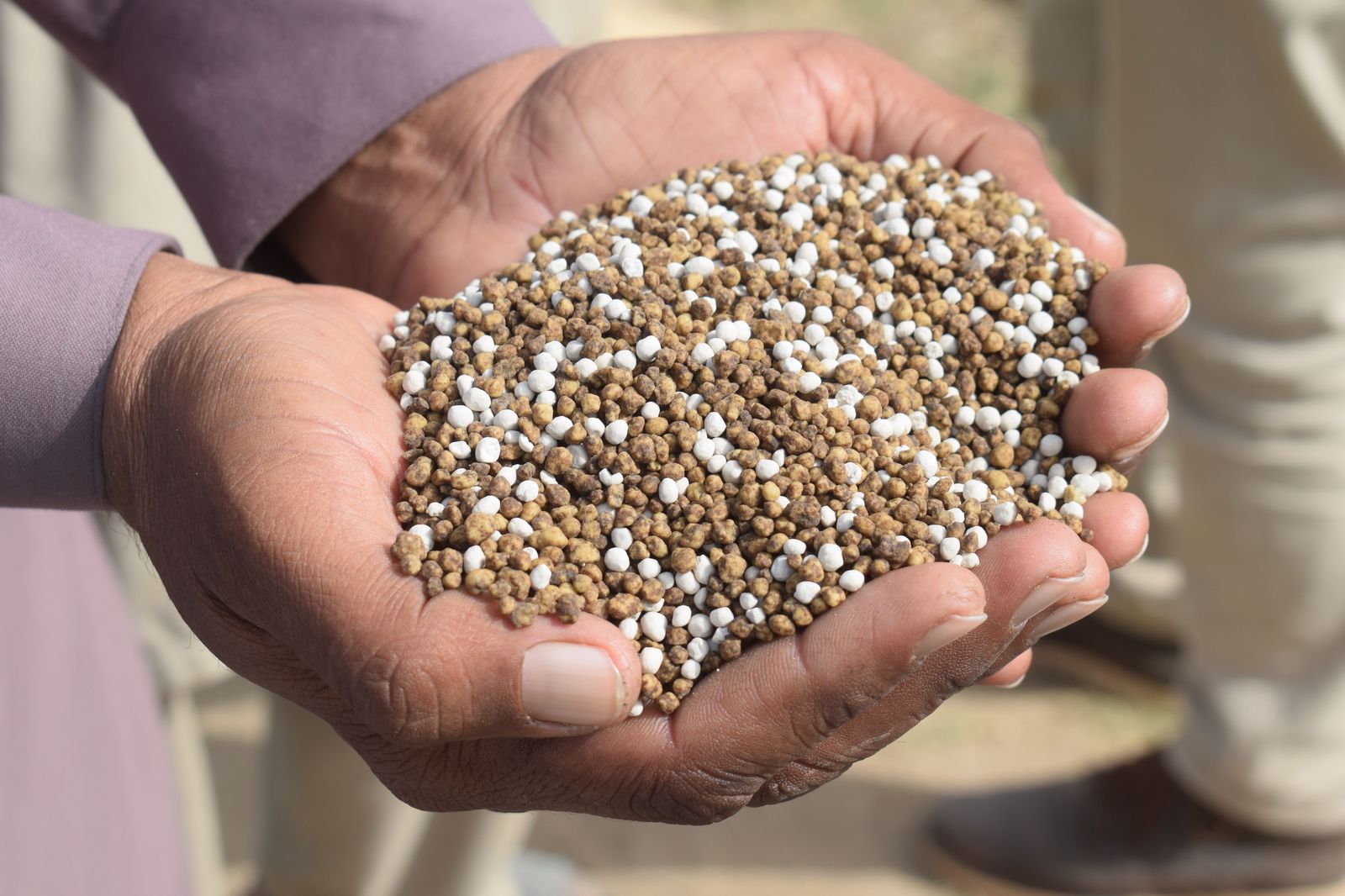
Slow-release granular or pellet fertilizers (often tucked into small mesh bags placed on the soil surface) release gradually with each watering and are more forgiving of an inconsistent schedule. Liquid fertilizers act faster and are easier to dose precisely and dilute, but require more discipline to apply on schedule. Neither is objectively better — granular suits a lower-maintenance routine, liquid suits someone who wants more control and doesn't mind mixing a diluted solution regularly.
Winter and dormancy
Outdoor temperate species should not be fertilized during dormancy — there's no active growth to support, and feeding a dormant tree serves no purpose. Indoor tropical species that don't go fully dormant can often continue on a lighter, less frequent schedule through winter rather than stopping completely, since they may still be growing slowly.
Signs you're underfeeding vs. overfeeding
Underfeeding tends to show as pale, small new leaves and slow overall growth, similar to some light-deficiency symptoms — see the light guide if you're not sure which is the actual cause. Overfeeding often shows as browned leaf tips or edges (a salt-burn pattern, distinct from the drought-stress browning covered elsewhere) or a white, crusty buildup on the soil surface from mineral salts.
Organic vs. synthetic: does it matter for bonsai specifically?
Both work; the practical difference is timing and smell more than effectiveness. Organic fertilizers (fish emulsion, seaweed-based products, composted pellet fertilizers) release nutrients more gradually as soil organisms break them down, which is gentler on roots but slower to correct an active deficiency — and some organic liquid fertilizers have a genuinely strong odor that matters more for an indoor tree than an outdoor one. Synthetic fertilizers act faster and let you dose more precisely, which is useful when correcting a specific, identified deficiency, but are also easier to over-apply since there's less natural buffering. Neither is inherently better for a beginner; matching the choice to whether the tree is indoors (favoring organic, for the smell issue alone) is a reasonable deciding factor if nothing else tips the choice.
A simple way to avoid both under- and over-feeding
Rather than guessing at dilution, follow the product label's dilution rate exactly, then apply at that concentration less often than the label suggests for a regular houseplant — since bonsai soil holds less nutrient reserve but also sits in a smaller volume more sensitive to concentration. If a label recommends weekly feeding for a general houseplant, every two to three weeks at the same diluted strength is a reasonable adjusted starting point for a bonsai in typical bonsai soil, adjusted from there based on how the tree responds over a season.
The University of Maryland Extension's guidance on indoor plant fertilizing echoes the core principle here: container-grown plants with limited soil volume need more careful, regular, diluted feeding than the same species would in open ground (University of Maryland Extension, "Fertilizer for Indoor Plants").