A surprising number of people quit bonsai not because their tree actually died, but because they believed something about the hobby that simply wasn't true — and the belief made the whole thing feel harder or scarier than it is. Here are the ones that do the most damage.
1. "Bonsai are a special miniature species"
They're not. A bonsai juniper and a full-size landscape juniper are the same species — the small size comes entirely from pot restriction, pruning, and training, not genetics (with a handful of naturally dwarf cultivars being the exception, not the rule). This matters practically: it means your bonsai has the same fundamental care needs as its full-size relative.
2. "If you keep it small, you're stressing or hurting the tree"
This one stops people before they even start. Properly maintained bonsai are not living in distress — root pruning and canopy pruning are done in balance with each other, and a well-kept bonsai can outlive the person who planted it. Some specimens in Japan are documented as centuries old. Struggling trees are usually the result of a specific care mismatch, not the practice itself.
3. "You need decades of experience before your tree looks like 'real' bonsai"
Fine, elaborate ramification does take years. But a presentable, healthy, attractive tree in a beginner-appropriate style is achievable in your first year or two. Waiting to "be ready" before starting is the most common reason people never start at all.
4. "Bonsai need to be watered on a fixed schedule"
This causes more deaths than almost any other single misconception. Bonsai should be watered based on soil moisture, checked by hand, not a calendar — see the watering guide for the actual method.
5. "All bonsai are indoor plants"
The opposite is closer to true — most classic bonsai species (juniper, pine, maple) are outdoor trees that need real seasons. See the indoor vs. outdoor guide for how to tell which category your tree falls into.
6. "Wiring permanently deforms or hurts the tree"
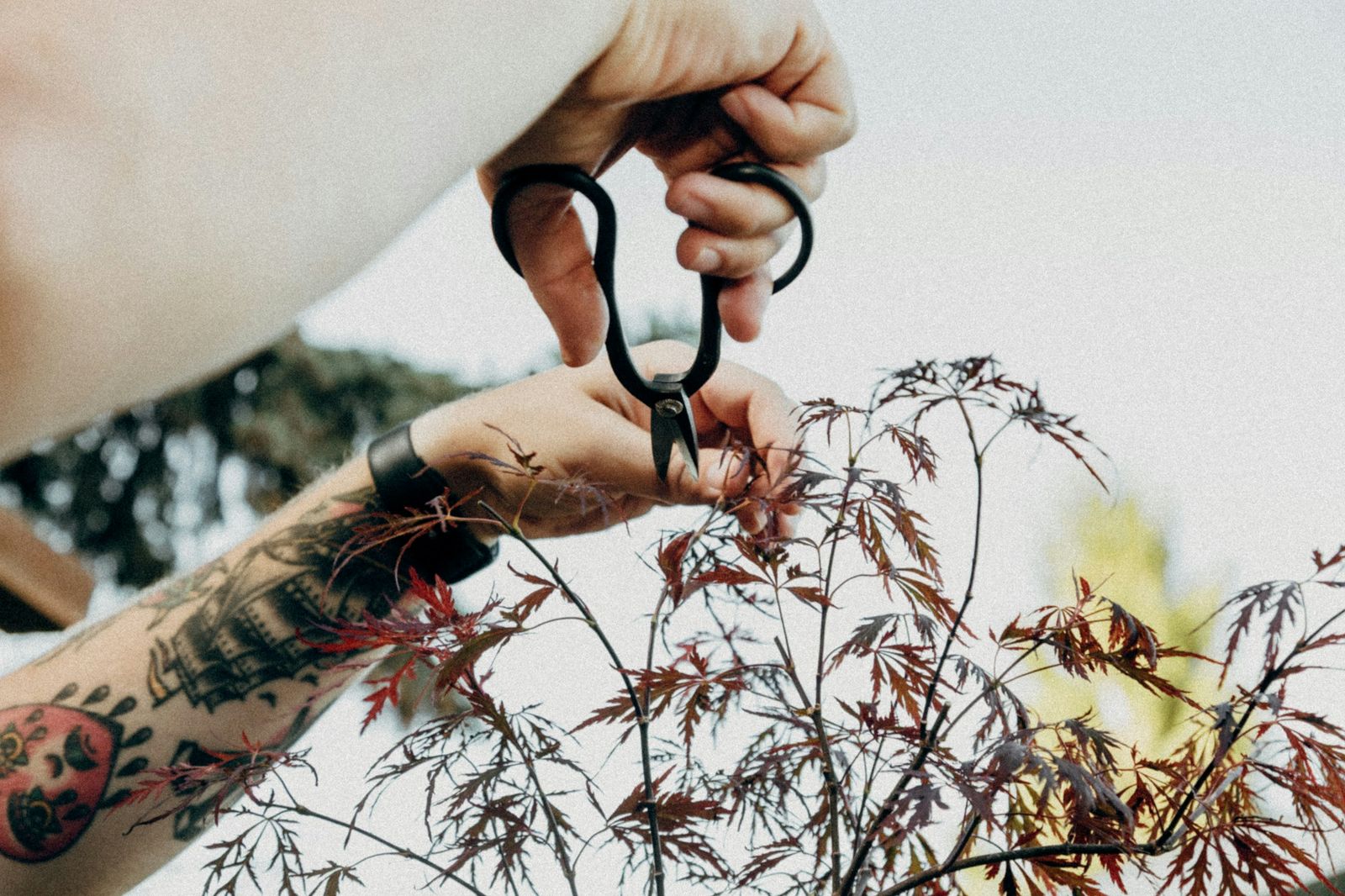
Correctly applied wire, removed before it bites into the bark, causes no lasting harm — it's a standard, reversible shaping technique, not damage. Left on too long it can scar, which is a timing mistake, not an inherent flaw in the technique.
7. "You need a greenhouse or special setup to keep one alive"
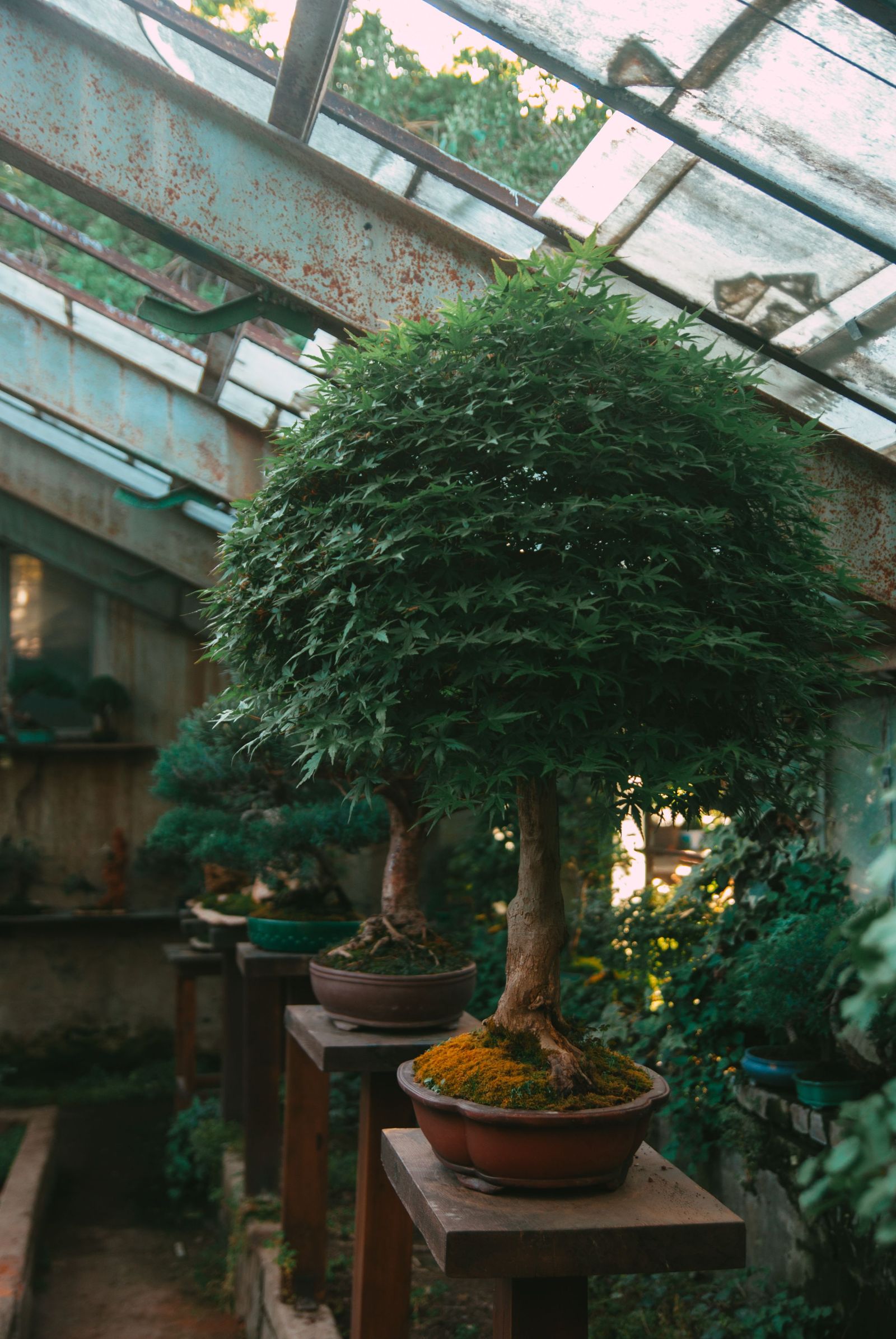
Most beginner-appropriate species need nothing more exotic than a correctly chosen spot — a bright window for tropical species, or a reasonably sheltered outdoor spot for temperate ones. Specialized setups come later, if at all, for advanced species or techniques.
8. "One yellow leaf means the tree is dying"
Occasional leaf yellowing and shedding, especially of older interior leaves, is often completely normal turnover — not a crisis. The common mistakes guide and the yellowing-leaves diagnostic cover how to tell normal turnover from an actual problem.
9. "Bonsai is prohibitively expensive"
A nursery-stock tree, a basic soil mix, and a handful of essential tools can start well under $100. The high-end auction prices you see for decades-old specimens reflect the tree's age and refinement, not the cost of entry.
Why these myths spread so easily
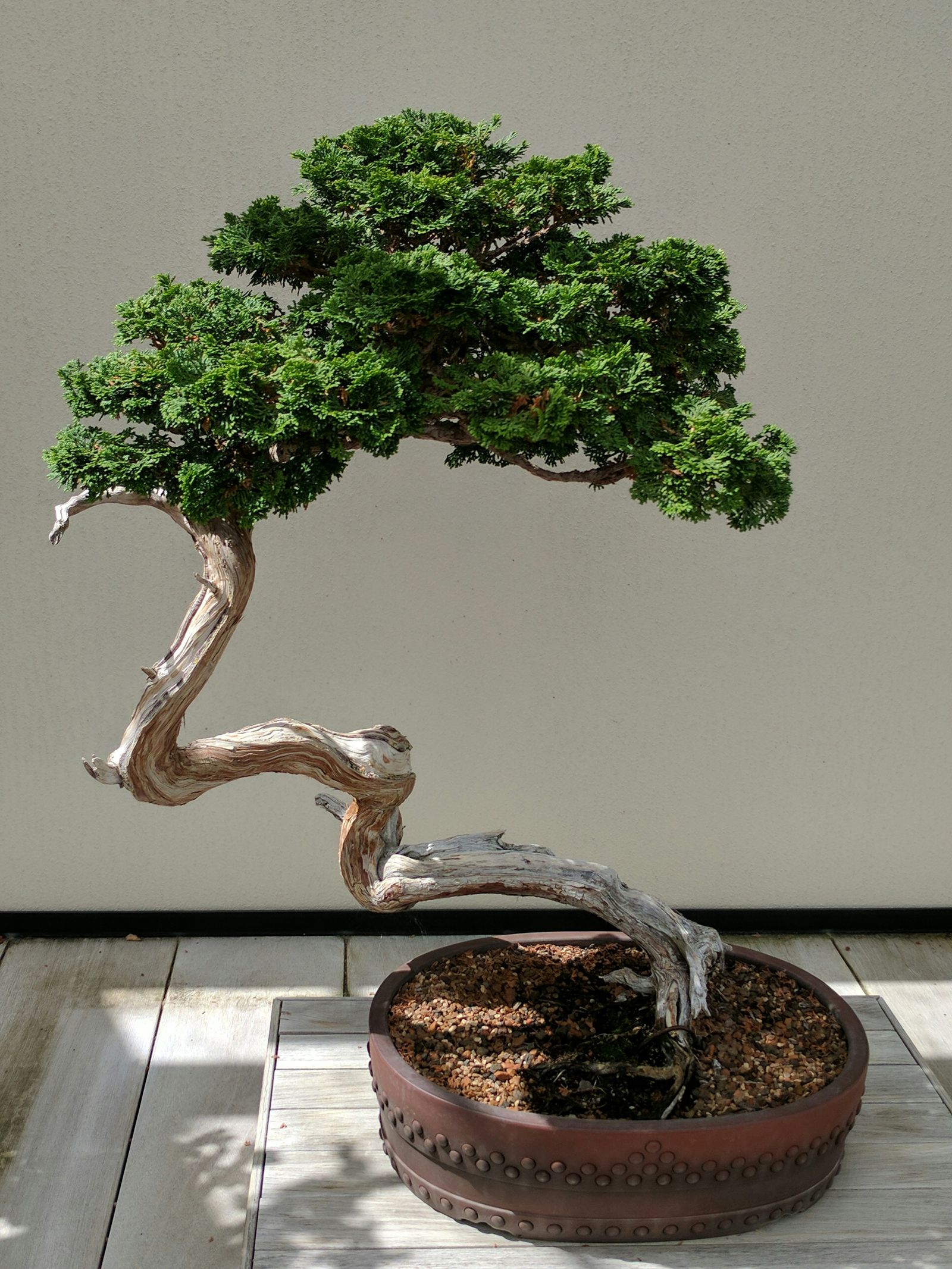
Most of them share a common origin: bonsai photographed at its most refined stage — centuries-old specimens in museum collections, competition-winning trees styled by decades of expertise — becomes the mental reference point for what bonsai "is," rather than what it looks like at any earlier, entirely legitimate stage. A young, healthy, unstyled nursery tree in a training pot is just as much "real bonsai" as a museum specimen; it's simply earlier in the same continuum. Judging your first tree against the wrong reference point is where a lot of these myths do their damage — not through bad information exactly, but through an unfair comparison nobody stated outright.
The myth that causes the most quiet damage
Of the nine, the "you need decades of experience first" belief is probably the most quietly destructive, because it doesn't cause a dramatic failure — it just prevents people from starting, sometimes for years, while they wait to feel "ready." There's no readiness threshold to cross. The skills involved (watering by feel, basic pruning, eventually wiring) are learned by doing them on a real tree, not by reading about them until confidence arrives on its own.
Penn State Extension's overview of bonsai as a horticultural practice notes that the discipline is grounded in ordinary plant physiology applied with intention, not in special or mystical technique (Penn State Extension, "The Art and Science of Bonsai") — which is really the throughline connecting all nine of these.